
It doesn’t really matter what people think right now—within 10 years, everyone will be driving an electric vehicle (EV). This prediction, while bold to some, is obvious to anyone who owns a quality electric vehicle today. The skepticism around EV adoption is reminiscent of the disbelief surrounding smartphones in the early 2000s.
The Evolution of Technology
In 2008, if someone claimed they would never own a smartphone, their assertion would seem plausible given the landscape at the time. However, the rapid evolution of technology proved otherwise. By 2018, smartphones had become ubiquitous, ingrained in daily life, and essential for communication, work, and entertainment. The same trajectory is now apparent with electric vehicles. A person claiming, in 2008, that “everyone will own a smartphone within 10 years” would have been laughed at by many, but now that we have receipts, who is laughing?!
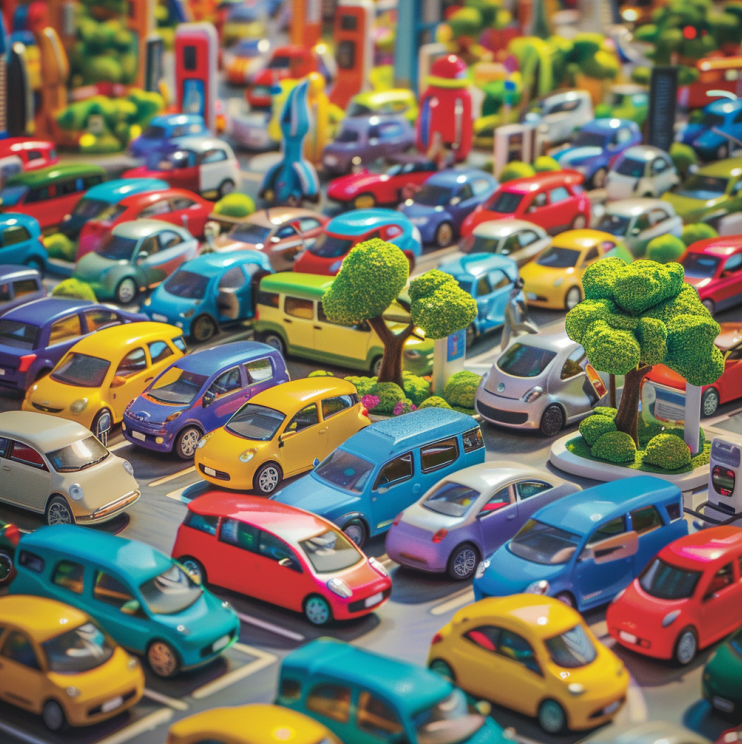
Benefits of Electric Vehicles
Electric vehicles offer numerous advantages over traditional internal combustion engine vehicles:
1. Environmental Impact: EVs produce zero emissions, significantly reducing air pollution and contributing to a healthier planet.
2. Cost Efficiency: Lower operating costs due to cheaper electricity compared to gasoline, along with reduced maintenance requirements, make EVs economically attractive.
3. Performance: Modern EVs provide instant torque, smooth acceleration, and a quiet ride, enhancing the driving experience.
In other words, if electric vehicles became mainstream first, literally no one would desire a gasoline-powered vehicle!
Market Trends and Predictions
Current market trends and predictions reinforce the inevitability of widespread EV adoption:
1. Government Policies: Many countries are setting ambitious targets to phase out fossil fuel vehicles and incentivize EV adoption through subsidies and tax benefits. While not needed as the free market would phase these vehicles out on its own, this will accelerate that change.
2. Automaker Commitments: Major car manufacturers are investing heavily in electric technology, with several pledging to offer fully electric lineups within the next decade.
3. Technological Advancements: Continued improvements in battery technology are extending the range of EVs and reducing charging times, addressing key concerns of potential buyers.
Worldwide Market Indicators
As of 2024, electric vehicle (EV) sales in China have reached remarkable levels, with nearly 40% of all new vehicles sold being electric. This surge in EV adoption highlights a significant shift in consumer preferences and the rapid advancements in electric vehicle technology. China’s commitment to electric vehicles is evident in its robust policies and subsidies that encourage EV production and consumption. This trend signifies that demand (and sales) for internal combustion engine (ICE) vehicles has peaked, not just in China but worldwide. Global sales of internal combustion engine (ICE) vehicles have been on a declining trend since their peak in 2017. This decline, driven by the growing demand for EVs, signifies that the demand for ICE vehicles has peaked, not just in China but worldwide. As the leading global market indicator, China’s transition towards electric mobility underscores the global movement towards sustainable & safer transportation solutions.
Consumer Sentiment & Addressing Media-Fueled Skepticism About Electric Vehicles
Despite some resistance, consumer sentiment is gradually shifting as more people experience the benefits of electric vehicles firsthand. Just as with smartphones, initial skepticism is giving way to widespread acceptance and enthusiasm.
Many skeptics of electric vehicles (EVs) are influenced by the mainstream media, which often spreads FUD—fear, uncertainty, and doubt—about EVs. This misinformation campaign is frequently driven by various vested interests. For instance, the Biden Administration is closely aligned with the United Auto Workers (UAW), who are known to be resistant to the transition towards electric vehicles due to concerns over job losses in traditional automotive manufacturing.
The media, sometimes complicit in these narratives, often portrays Tesla and other EV manufacturers negatively. Stories are sensationalized to create doubt about the safety, reliability, and environmental benefits of electric vehicles. For example, a recent recall of Tesla vehicles was widely reported in a manner that exaggerated the severity of the situation, despite the recall being a routine software update that did not require physical repairs. This is tantamount to defining every Apple & Android software update as a “dangerous recall.” It is disingenuous at best, and malicious at worst.
Despite these efforts to undermine confidence in EVs, the transition to electric vehicles remains inevitable. As technology advances and the benefits of EVs become more apparent, public opinion is gradually shifting. The fear and skepticism fueled by the media cannot halt the progress towards a more sustainable and efficient transportation future.
By critically examining the sources of their information and recognizing the underlying motives behind certain media narratives, consumers can make informed decisions that align with scientific and economic realities. The future of transportation is electric, and no amount of media-fueled FUD can change that trajectory.
Conclusion
In the same way that smartphones have become indispensable, electric vehicles are set to dominate the automotive landscape within the next decade. This is known. The current skepticism mirrors past doubts about smartphones, but the transition to EVs is inevitable. As technology advances and awareness of environmental issues grows, along with spreading of the knowledge that electric vehicles are simply better & safer in every meaningful way imaginable, the adoption of electric vehicles will become a no-brainer for consumers worldwide.
By the time 2034 rolls around, the idea of not owning an electric vehicle will seem as outdated as resisting the adoption of smartphones in 2008 and the resistance of owning a car over a horse, 100 years ago. The future of transportation is electric, and it is arriving faster than many expect.
Discover more from logical thinking in an illogical world
Subscribe to get the latest posts sent to your email.

