“That’s an Appeal to Authority!” No. It Isn’t.

Name a fallacy, win the argument. That is the ritual, and it is nonsense. This essay takes apart the most abused phrase in modern discourse: the reflexive charge of "appeal to authority." It traces what Locke actually meant by argumentum ad verecundiam, lays out the narrow and specific conditions under which the fallacy is real, and explains why citing Einstein on physics is not one of them. It also gives the skeptics their due, because institutional authority has earned suspicion. But the answer to unreliable experts is getting better at evaluating them, not declaring all expertise fallacious. Featuring the fallacy fallacy, Schopenhauer being characteristically ruthless, and a direct answer to the most common objection to "Not All Opinions Are Created Equal."

You Can’t Steal an Idea. So Why Can You Own One?

If I steal your car, you no longer have a car. If I steal your idea, you still have it, which means theft and copying were never the same act, no matter what patent law assumes. This essay traces that distinction into the price of medicine, gives the honest incentive argument for patents its full due, and shows where it stops holding up, using publicly funded research, generic drug pricing, and entire industries that already innovate just fine without any legal monopoly at all.

Not All Opinions Are Created Equal

We live in a world that treats all opinions as equal. They are not. This essay makes the case that expertise matters, that direct experience outweighs uninformed confidence, and that the willingness to ask 'what does this person actually know, and why?' is one of the most underrated habits in modern life. Featuring a hard look at how we evaluate polarizing public figures, and a simple framework for thinking more honestly about whose opinion deserves your attention.

You Think Gas Cars Are Better Than Electric. You Are Wrong.

I have been a Tesla owner since 2021 and investor since 2013, and here I argue against common objections to electric vehicles (EVs) based on a decade of experience. I emphasize the safety and efficiency of Teslas over gas vehicles, refuting claims about battery issues and charging times. I invite readers to engage with my AI agent for more insights!

Stop Arguing With Me About Apollo. Argue With This Instead.

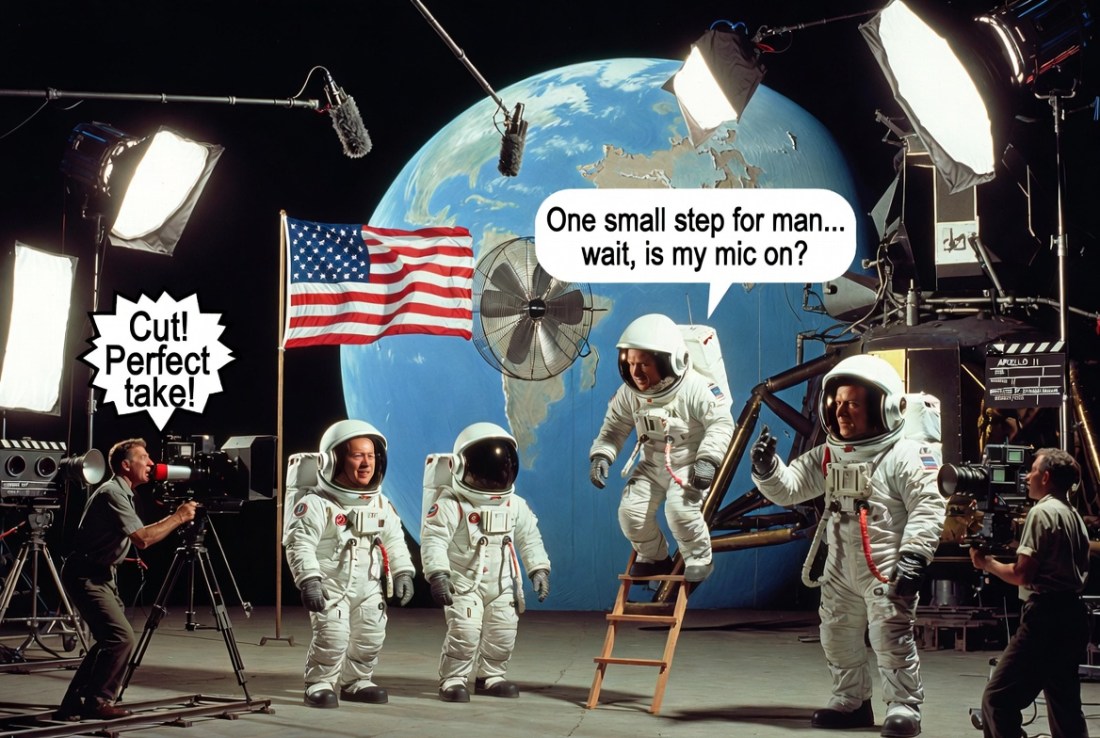
I've been questioning the Apollo narrative for over a decade. I'm done repeating myself. So I built an AI agent trained on my arguments. Tell it why you believe the narrative is true. I look forward to hearing how that goes.

Marriage Advice: Three Dates Per Month

Discussing the importance of intentionally scheduling time with your spouse to strengthen your marriage, introducing the concept of Three Dates Per Month. By designating one breakfast, one lunch, and one dinner date each month, couples can ensure they prioritize their relationship amidst life's demands, fostering connection and anticipation.

Three Poems That Keep Me Sane: What’s Hanging on My Office Wall (And Why) Part 1

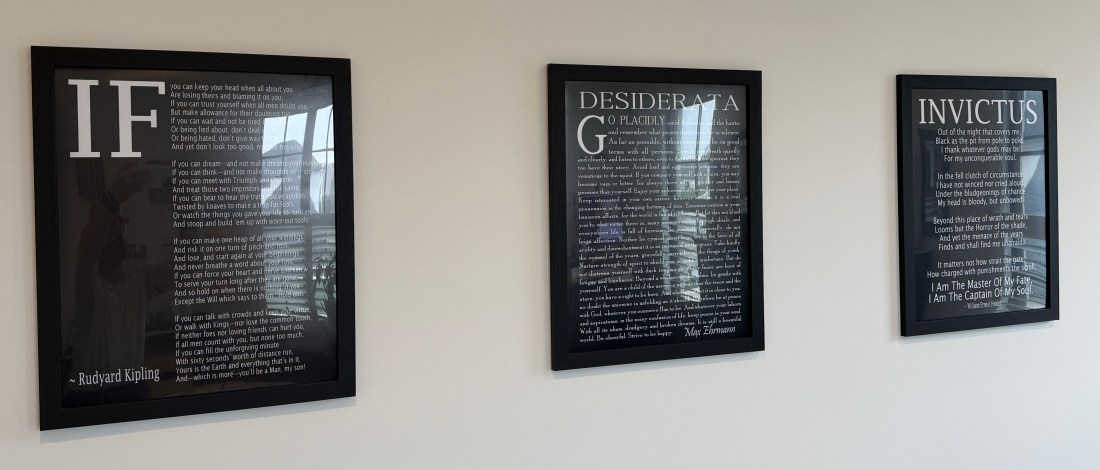
Three poems hang on the wall of my office: If by Rudyard Kipling, Desiderata by Max Ehrmann, and Invictus by William Ernest Henley. I have read each of them hundreds of times and I will read each of them hundreds more. Below them on the couch sit my kids' Squishmallows, which somehow makes the whole thing better. This essay is about why these three poems are on my wall, what each one means to me, and why I think you should put them on yours too.

The Ten-Second Rule of Human Decency

During our first trip to Turks and Caicos, a friend shared a simple cultural insight that immediately changed how I interact with people everywhere. Islanders prefer that every interaction begin with a genuine greeting before making a request. Instead of walking up and asking for something immediately, you first acknowledge the person and ask how they are doing. This small habit transforms transactions into human interactions and reminds us that people are not service machines. Since learning this lesson, I’ve adopted it as a personal default, and the positive reactions it creates are remarkable.

The Chad Balance: Having No Opinion vs. Being The Adult In The Room

This essay introduces the idea of “The Chad Balance,” the delicate line between Stoic restraint and adult responsibility. Inspired by my late best friend Chad Lewis, it explores how wisdom often means having no opinion on most things, while still having the courage to speak clearly when truth, reason, or leadership is required. In a world that pressures everyone to comment on everything, the real challenge is knowing when silence is wisdom and when a grown-up needs to step forward and say the obvious thing others are afraid to say.

Do You Care About Truth… or Winning?

This essay argues that the pursuit of truth should be the foundation of all serious intellectual conversations, especially in the Information Age where facts can be verified instantly. It makes the case that debates should embrace AI as a real-time tool for fact-checking and clarification, shifting the goal away from winning arguments and toward discovering objective reality. Truth should not depend on wit, memory, or rhetorical skill, but on evidence, verification, and the willingness to update beliefs when confronted with new information.