
There is a sound I would not wish on anyone.
It is not a crash. It is not glass, or metal, or brakes. It is the sound a bus full of people makes in the half second when every one of them believes they are about to die. Movies try to recreate it. They do not come close. Until you have heard it in real life, you do not know what it is, and once you have, you never forget it.
I heard it in February 2013, on a road in St. Lucia, and it woke me up.
The Best Week
It was Chad’s wedding week. My best friend was getting married in the Caribbean and I was his best man, which remains one of the great honors of my life.
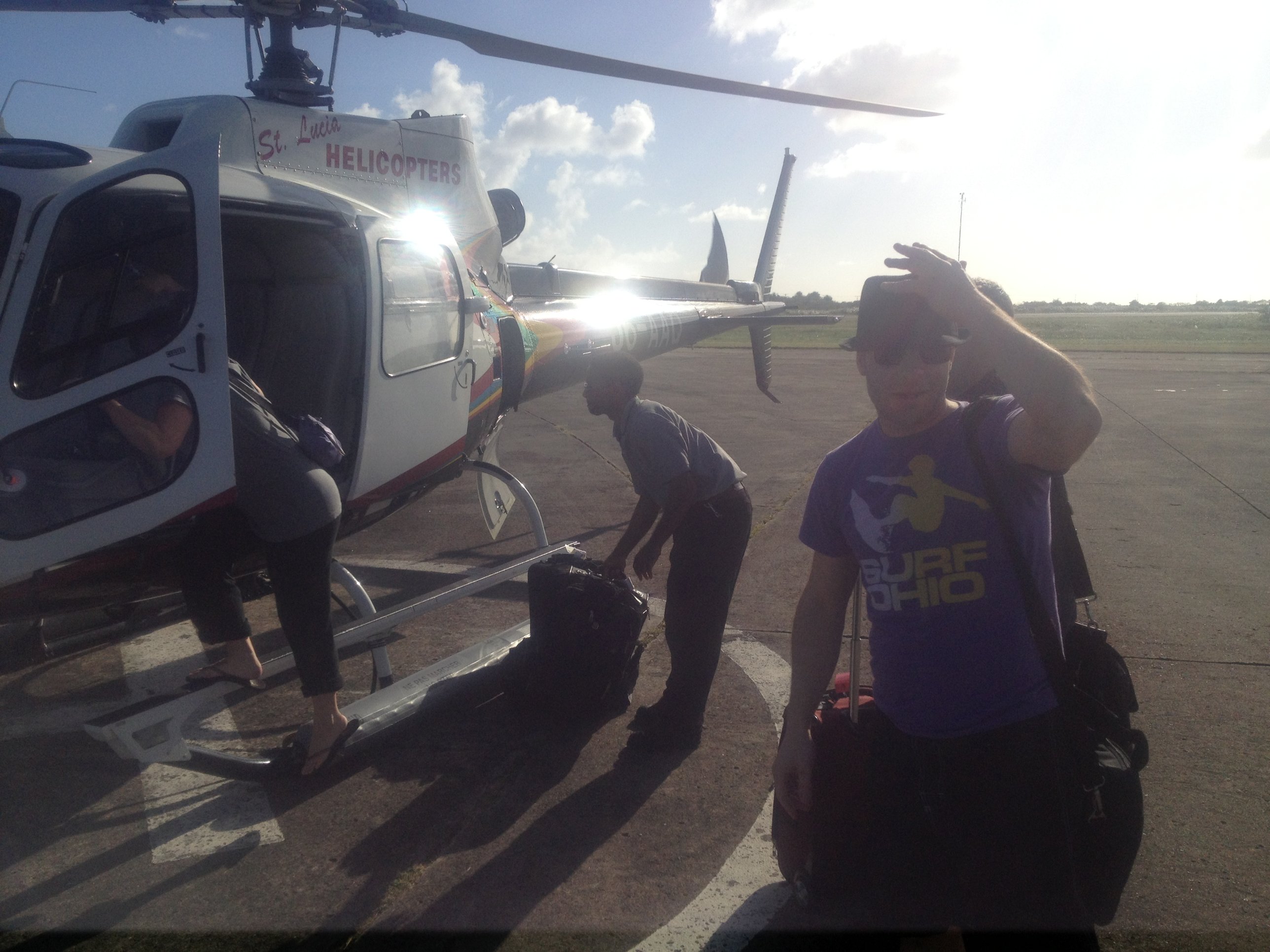
If you have flown into St. Lucia, you know the international airport, Hewanorra, sits at the southern tip of the island, and most of the resorts sit up north. You have two choices. You can take a bus for roughly 90 minutes of winding mountain road, or you can take a helicopter that does the same trip in under 15. A group of us chose the helicopter. I had never been in one, and I was not about to pass up the chance on my best friend’s wedding week.
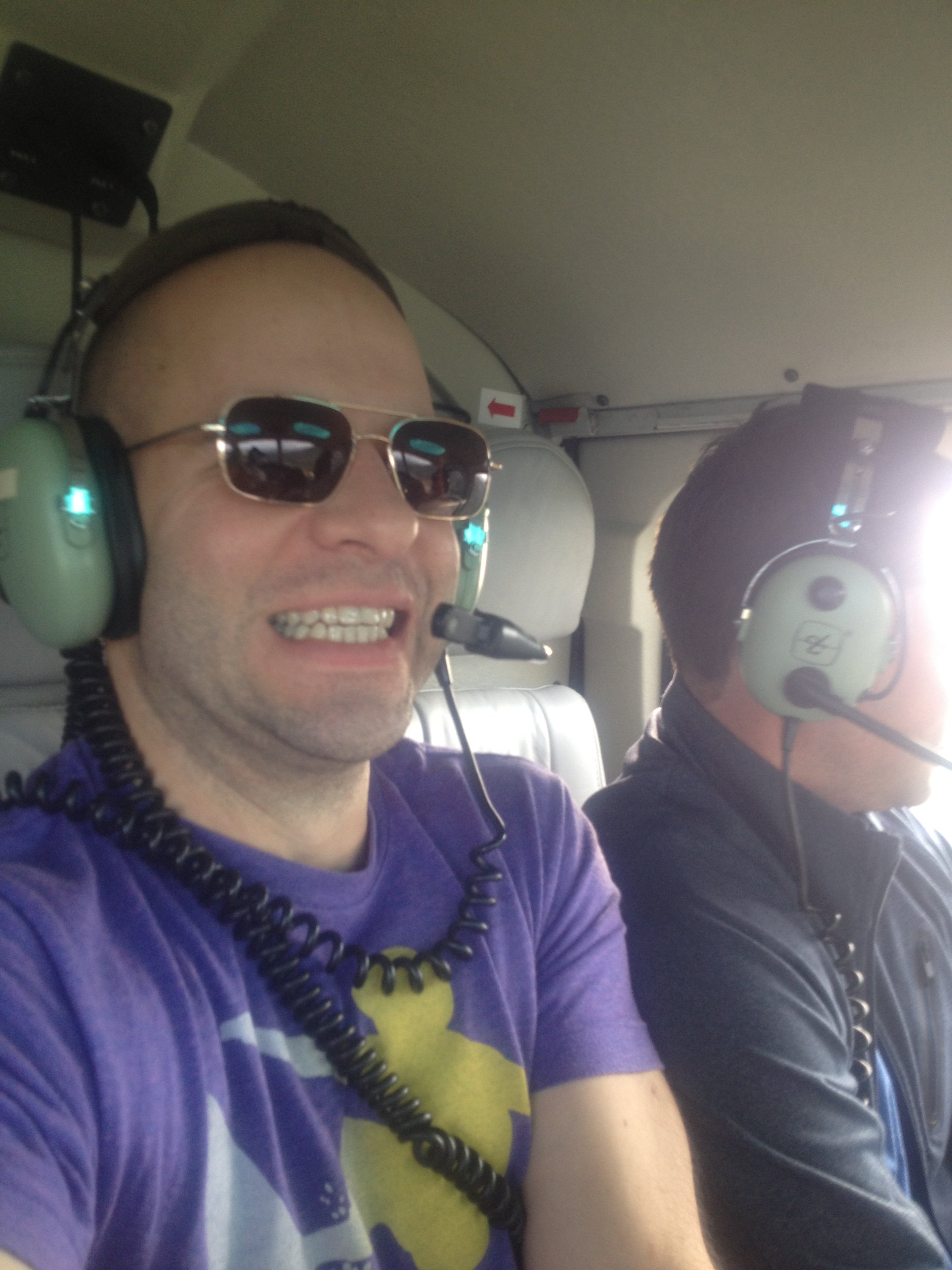
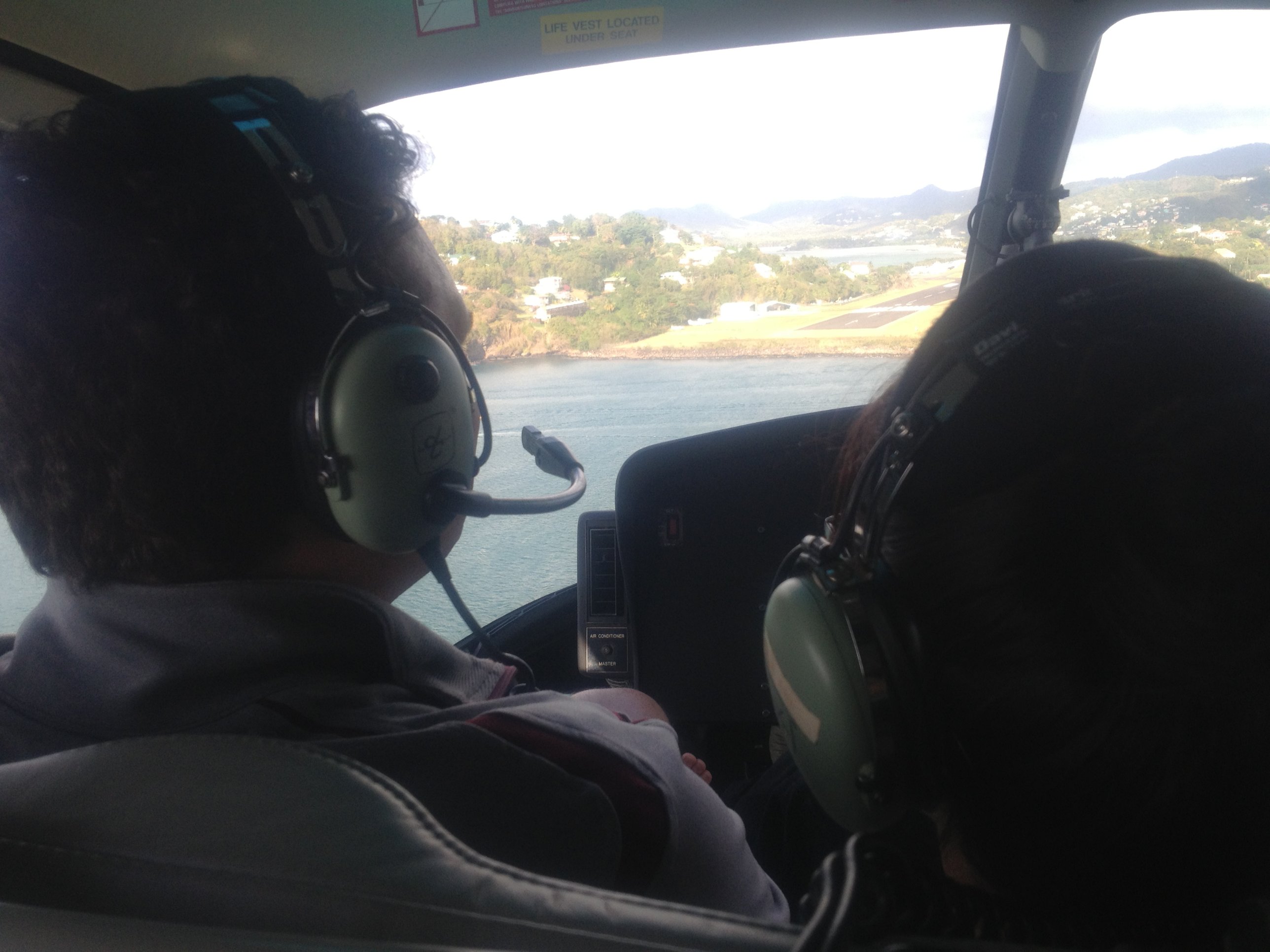
It was everything you would hope. Green mountains, turquoise water, sailboats sitting in the bays like somebody arranged them for a postcard.

The wedding was beautiful. I stood next to Chad and enjoyed every minute of that week with no idea that ten years later I would be standing up again to speak about him, this time at his funeral.
Remember that detail. I will come back to it.
The Ride Out
By the end of the week we had gotten our fill of helicopters, so for the trip back to the airport we took the hotel shuttle bus. I was exhausted, the way you are after a week of celebrating, and I was asleep almost before we left the property.
Then the screaming.
Here is what happened, pieced together afterward. A truck pulling a large trailer was trying to pass our bus. The driver either did not see the oncoming traffic or did not see the tractor parked along the side of the road, and when he moved, he squeezed our bus toward the shoulder. The tractor hit us just in front of the rear tire on the driver’s side.
A couple of feet in either direction and I am not writing this essay. A couple of feet forward and the impact is in the passenger cabin. A slightly different angle and a bus full of wedding guests is on its side, or in the ditch, or under that trailer.
Instead, the bus took minimal damage, and our driver pulled over safely.
The truck driver was not so lucky. He overcorrected, lost control, left the road, and hit a concrete barrier head on.
You Never Know What You Will Do
People like to say they know how they would react in an emergency. They do not. Nobody does until it happens. I learned that the night lightning hit our house, which I wrote about in Compliance, Cancer, and Combustion, and I learned it first on that road in St. Lucia.
My reaction, along with a couple of the other men on the bus, was to get off immediately and run toward the truck to see what we could do.
There was nothing we could do. The driver had been thrown through the windshield. He was gone.
I want to be careful here, because it would be easy to turn that man into a plot device in my story, and he was not that. He was a man doing his job on an ordinary day, who got up that morning expecting to come home. He made one bad decision behind the wheel, the kind every one of us has made at some point and gotten away with. He did not get away with it. Whatever else this essay is about, it is also about him.
Connecting the Dots
Steve Jobs said you cannot connect the dots looking forward, only looking back. Looking back, mine form a pattern I did not see at the time.
February 2013: a tractor misses the passenger cabin of my bus by a couple of feet.
January 22, 2018: lightning hits our house while we are inside it. The fire takes nearly everything we own, but it does not take my wife, our dog, or me. It very easily could have taken all three.
February 2023: I lose Chad. The man whose wedding put me on that bus. The man I stood next to at that wedding, both of us assuming we had decades left.
That last dot is the one that reframes the other two. Surviving a close call teaches you that death can come early. Losing your best friend teaches you that it can come early for someone else, and that there is no fairness in who it chooses. I walked away from the bus. Chad, who was not even on it, did not get the decades either of us expected.
The Near Misses You Never Hear About
Here is the part I think matters most, and it is not really about me.
I know about the bus because I heard it. I know about the fire because I saw it. But those are only the near misses that announced themselves. How many others have I had that I will never know about? The driver who looked down at his phone a second after he passed me instead of a second before. The tire that held another hundred miles. The cell that did not divide wrong. The flight that was fine.
You have had them too. Every single person reading this has survived dozens of disasters they never knew were coming. The visible near misses are not the exception. They are just the rare ones loud enough to wake you up.
Richard Dawkins opens Unweaving the Rainbow with a line I think about often: “We are going to die, and that makes us the lucky ones.” His point is that the odds against any one of us existing at all are so staggering that simply being here is the jackpot. I would add a smaller, more practical version. The odds against still being here, after all the near misses we know about and the far greater number we do not, are not nothing either.
What Surviving Does Not Mean
I want to push back on myself for a moment, because there is a trap in stories like this one.
The trap is believing that surviving means you were chosen. That the universe spared you for a reason. That you are special.
You were not chosen. The tractor did not know who was sleeping in which seat. The lightning did not check names. If surviving meant you were chosen, then not surviving would mean you were rejected, and I refuse to believe that about the man in that ditch, or about Chad. Luck is not a message. It is just luck.
But luck does not have to carry a message to carry a responsibility. That is the distinction I have come to care about. Nothing spared me for a purpose. That does not stop me from deciding what to do with the time I got.
What It Did Change
I have written before about why I try to be the adult in the room: to say the true thing, have the hard conversation, and not mince words when it matters. People sometimes read that as bluntness for its own sake. It is not. I am not trying to be mean.
I think a lot of it traces back to that road and that night. Not because almost dying made me brave. It did not. I still feel the same social pressure everybody feels to nod along and keep the peace. What changed is the math. Once you have felt how thin the margin really is, the cost of leaving something important unsaid goes up, and the cost of a little awkwardness goes way down.
Chad understood this without needing a near miss to teach him. He is the reason I wrote If Not Now, When?, and the reason I have tried to capture how he lived in The Chad Balance: hold back your opinion on the trivial, and speak up on what matters. It is also why we don’t talk about the weather. When you know the clock is real, small talk feels like a strange way to spend it.
The Stoics had a practice for this that I have leaned on for years. Memento mori: remember that you will die. I have written about Stoicism before, and this is the piece of it I return to most. It sounds morbid. It is the opposite. It is the most reliable cure for wasting time I have ever found. I get the same dose of perspective walking through a cemetery, reading the dates on headstones of people younger than I am now. That is a story for another essay, and it is coming.
I Am Here
I could have died in February 2013. I could have died again in January 2018.
I did not. I am here. I have a wife I almost lost in that fire. I have two children who would not exist if that tractor had been a couple of feet out of place. I have a fifth decade that is turning out to be the fullest yet.
So here is what I would ask of you, and it is simple. Think about your own near misses, the ones you know about. Then take a second to consider the ones you will never know about. Then go do the thing you have been putting off. Send the message. Say the true thing, kindly. Tell someone what they mean to you while you both still can.
The margin is thinner than you think. It always has been. That is not a reason to be afraid.
It is a reason to be grateful, and to get on with it.
Discover more from logical thinking in an illogical world
Subscribe to get the latest posts sent to your email.

