The essay "License Plates: A Display of Guilt or Civic Duty?" challenges the reader to consider the implications of mandatory license plates on vehicles. It questions whether the practice aligns with the principle of being presumed innocent until proven guilty, given that license plates serve as a constant display of compliance to governmental oversight, unlike personal identification which we present only when required. The essay acknowledges the safety and accountability reasons for license plates but suggests that this requirement may be more about state surveillance and control. It invites a discussion on finding a balance between public safety and individual freedoms, possibly through technological solutions that protect privacy while ensuring accountability. The piece ultimately calls for a reevaluation of our willingness to trade autonomy for collective security and asks what steps we might take if the current compromise is found wanting.
Tag: #butfreedom
Meritocracy Matters: Why the Best Should Lead, Not Just the Most Diverse
In a world obsessed with being woke, let's not sleep on meritocracy. Meritocracy isn't just a concept; it's the backbone of progress and excellence. It's about rewarding hard work, skill, and talent!
Embracing a New Logical Age: A Case for Technological Policing
In the evolving landscape of law enforcement, the traditional roles of police officers are being reimagined. Leveraging technology, like drones, offers objective surveillance and assessment, while specialized units ensure responsible use of lethal force. This fusion of technology and traditional policing aims to prioritize human life and redefine the essence of bravery.
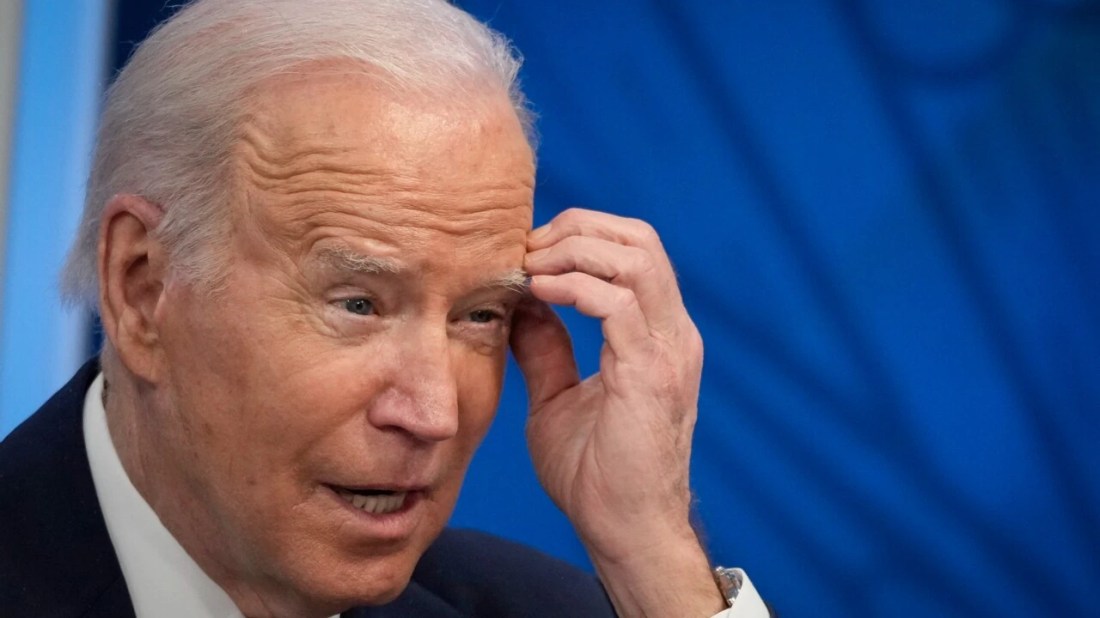
The Ethical Question Surrounding the Leadership of President Joe Biden: A Perspective on Elderly Abuse
Navigating the delicate intersection of politics and cognitive health, the case of President Joe Biden raises profound ethical questions. Critics argue that his continued public exposure, amidst signs of cognitive decline, borders on elderly abuse, compromising his personal dignity for political gain. This situation calls for an urgent reassessment of ethical leadership, with the dignity and well-being of our leaders taking precedence over political considerations.
A Blockchain-based Social System: Incentivizing Truth and Discouraging Misinformation
The proposed social system combines blockchain technology, verified identities, and a dynamic truth scoring mechanism to promote honesty in public discourse and deter misinformation. By fostering transparency, accountability, and the potential for long-lasting impacts on personal credibility, it offers a promising solution to address the challenges of trolling and false information prevalent in the digital age.
Statistics On Jail In The USA
Jalling otherwise "free" humans for a crime against their self is one of the least intellectual things ever
Federal Reserve Gaslighting
Do not let big words fool you. The Federal Reserve is NOT made up of intellectuals. In reality, the people running the Federal Reserve are all clowns.
Tyranny Is Not A Conspiracy Theory
Tyranny is not a conspiracy theory. History is littered with examples of tyrannical leaders oppressing en masse.
Tribalism Defined
Tribalism, for lack of a better word, is bad. Tribalism, for lack of a better word, is bad. Are myself and those who think like me hypocrites for possibly being part of a tribe that believes a tribeless society is best? Maybe. But ask yourself, what is your tribe advocating for? I will save you … Continue reading Tribalism Defined
Can You Be Neither A Slave Nor Tyrant? Is Tribalism Bad?
https://www.youtube.com/watch?v=_U7M_mXlTvM Until listening to this short clip with Dr. Jordan B. Peterson, I had never considered tribalism and how I define the hierarchy in my relationships with others. Paraphrasing Dr. Peterson, there are 3 ways to define how we interact with others: As their tyrantAs their slaveMutual negotiation In grouping ourselves into tribes, we do … Continue reading Can You Be Neither A Slave Nor Tyrant? Is Tribalism Bad?