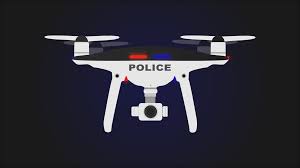

The Changing Face of Bravery
In a rapidly evolving world, where the line between science fiction and reality is continuously blurred, we stand at the precipice of reimagining the role of the police force. As the guardians of law and order, the traditional image of police officers is one where human judgment, backed by weaponry, ensures safety. But, as a forward-thinking visionary, one must ask: Is this the best way?
From the words of a poignant essayist, we are reminded, “Bravery is not proactively shooting someone who might be a threat.” Indeed, the very essence of bravery has been muddied by the incorrect and sometimes dangerous connotations of what it means to protect and serve. The problematic code of “shoot if you feel threatened” has too often resulted in unnecessary tragedies. Yet, as society evolves, so should its methods of protection.
Technology: The New Guardian
Enter technology. The idea isn’t novel, nor is it far-fetched. In a world where drones can deliver parcels to our doorsteps and AI systems can make critical medical decisions, is it so outrageous to conceive of drones patrolling our streets? Drones, with their advanced monitoring capabilities, can “keep tabs” on situations indefinitely, reducing the chance of human error.
By leveraging technology, we reimagine the rules of engagement. Let drones be the eyes, watching, waiting, and assessing. If a threat escalates to a point where firearms are essential, then specialized units—highly trained officers who are taught the true meaning of bravery and responsibility—can intervene. This separation ensures that the responsibility of lethal force isn’t taken lightly. Such a system values human life, placing prevention and assessment above rash reactions.
Challenges and Reflections
Detractors might claim this would depersonalize the policing system. But, one could argue, it is in this very detachment that true objectivity might be found. Cameras don’t hold biases, drones don’t have vendettas, and technology doesn’t have personal histories that might cloud judgment.
However, to wholly endorse a technologically driven police force, we must confront inevitable questions. What about hacking? Misuse? The reliability of these systems in different environments? Each question is valid and demands thorough deliberation.
Conclusion
But one thing remains unshaken—our need to evolve. “If you choose to be a police officer, you must accept that you may find yourself in dangerous situations,” reads a previously written essay, emphasizing that those who choose this profession should value life above all else. By integrating technology, we’re not removing humanity from policing; we’re enhancing the commitment to preserve it.
Discover more from logical thinking in an illogical world
Subscribe to get the latest posts sent to your email.

