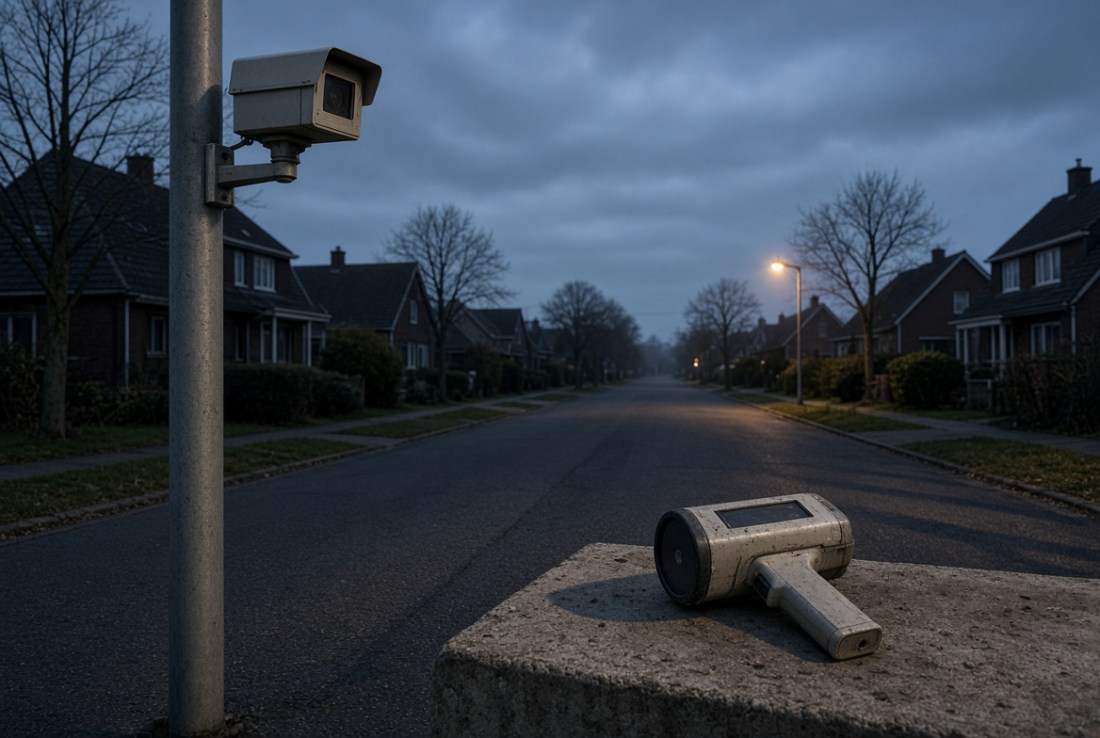
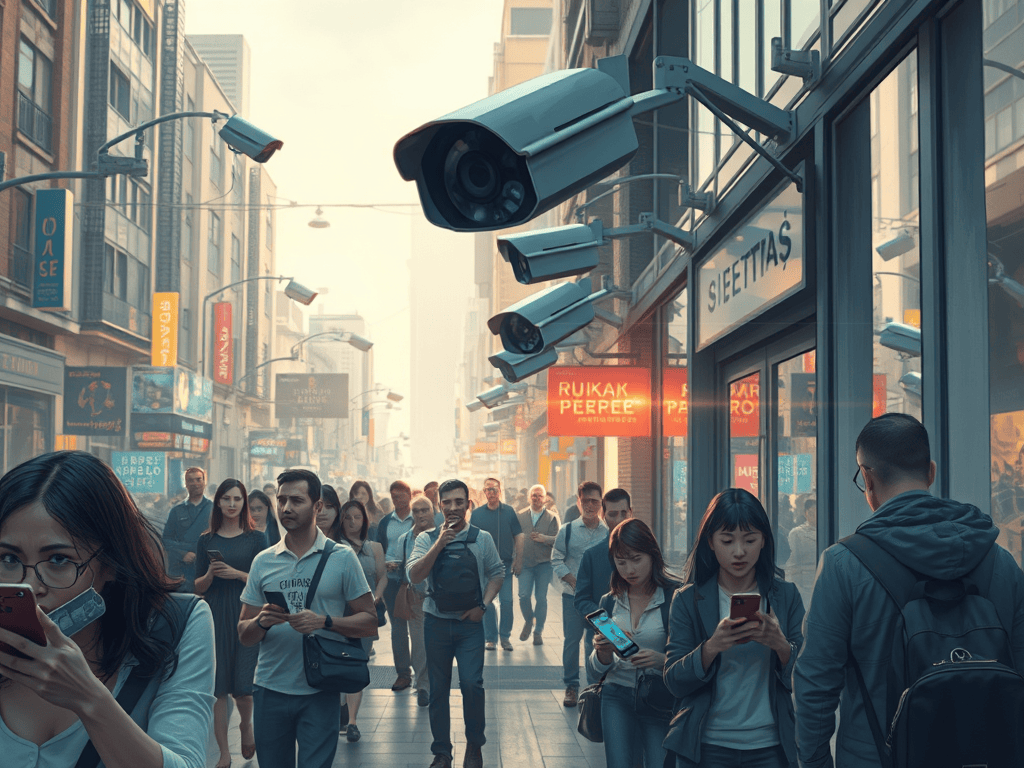
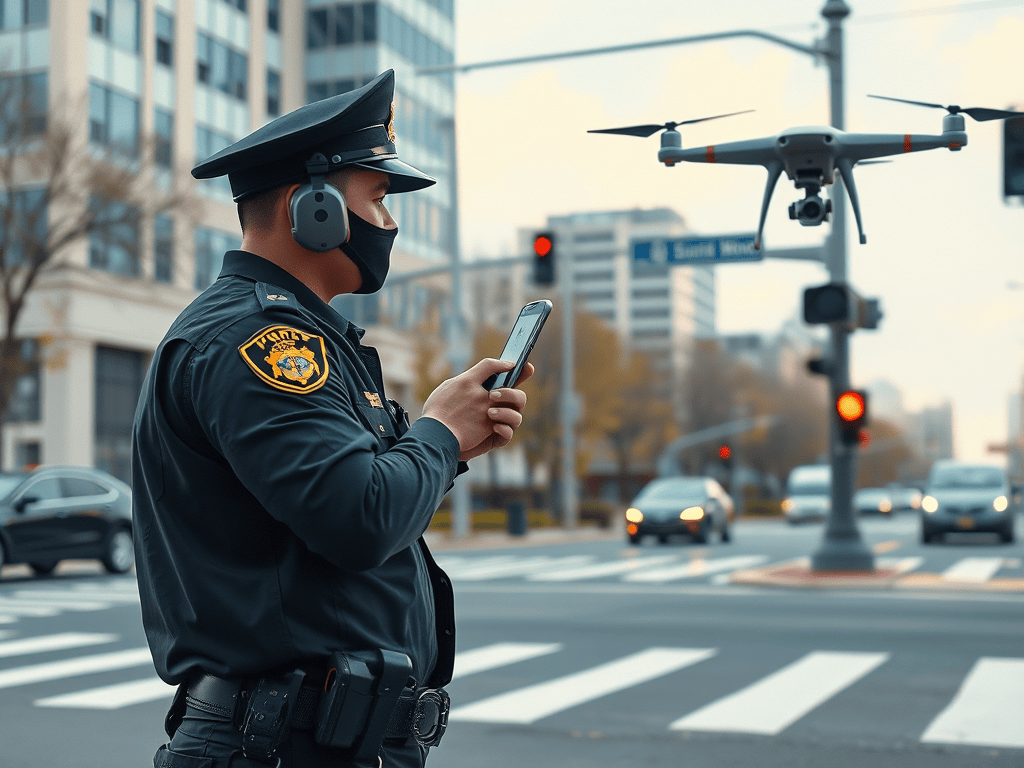
Ohio spent a decade fighting traffic cameras. When its first restrictions were struck down by the Ohio Supreme Court in 2017, the legislature switched to the purse, deducting camera revenue from cities dollar for dollar and later banning county and township programs outright. In the same decade, automated license plate readers spread with almost no scrutiny, upheld by courts across the country. This essay gives the case for that distinction its full due, including real due process and revenue objections, then shows where it breaks: we banned the tool that observes guilt and kept the one that observes everyone. Featuring a Georgia ticket captured on a Flock camera, and a hard reconciliation with my own argument that cameras everywhere might save civilization.
Category: Politics
Learning how to identify an oppressor & maximize our freedom
You Can’t Steal an Idea. So Why Can You Own One?
If I steal your car, you no longer have a car. If I steal your idea, you still have it, which means theft and copying were never the same act, no matter what patent law assumes. This essay traces that distinction into the price of medicine, gives the honest incentive argument for patents its full due, and shows where it stops holding up, using publicly funded research, generic drug pricing, and entire industries that already innovate just fine without any legal monopoly at all.
You Are the Rich Person in This Argument
We treat "tax the rich" as self-evident. It is not. This essay states the honest case for progressive taxation before taking it apart, traces just how recent and contested the modern income tax actually is, and lands on a simpler argument: if you believe the wealthy should give more, you already know one, by any honest global standard. Featuring a citation-backed nod to the strongest form of the opposing case, instead of a strawman.
History Is a Theory. Start Treating It Like One.
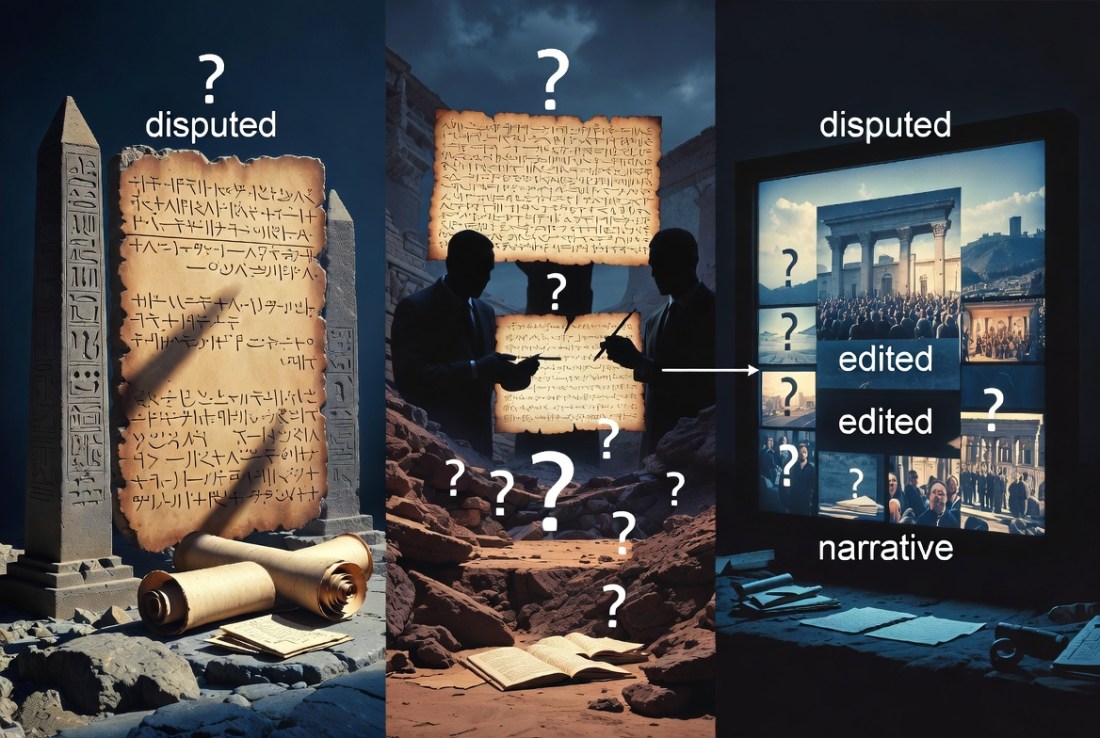
History is presented as fact. It is not. It is a collection of theories, interpretations, and narratives shaped by the same flawed, self-interested humans who run the world today. If we can watch governments manipulate the record in real time in 2026, it is naive to think it was any different a thousand or five thousand years ago. This essay argues that dead languages cannot be definitively translated, that archaeological certainty is constantly being revised, and that even events captured on video remain disputed. Intellectual honesty about the past is not cynicism. It is simply the truth.
Not All Opinions Are Created Equal
We live in a world that treats all opinions as equal. They are not. This essay makes the case that expertise matters, that direct experience outweighs uninformed confidence, and that the willingness to ask 'what does this person actually know, and why?' is one of the most underrated habits in modern life. Featuring a hard look at how we evaluate polarizing public figures, and a simple framework for thinking more honestly about whose opinion deserves your attention.
Stop Arguing With Me About Apollo. Argue With This Instead.
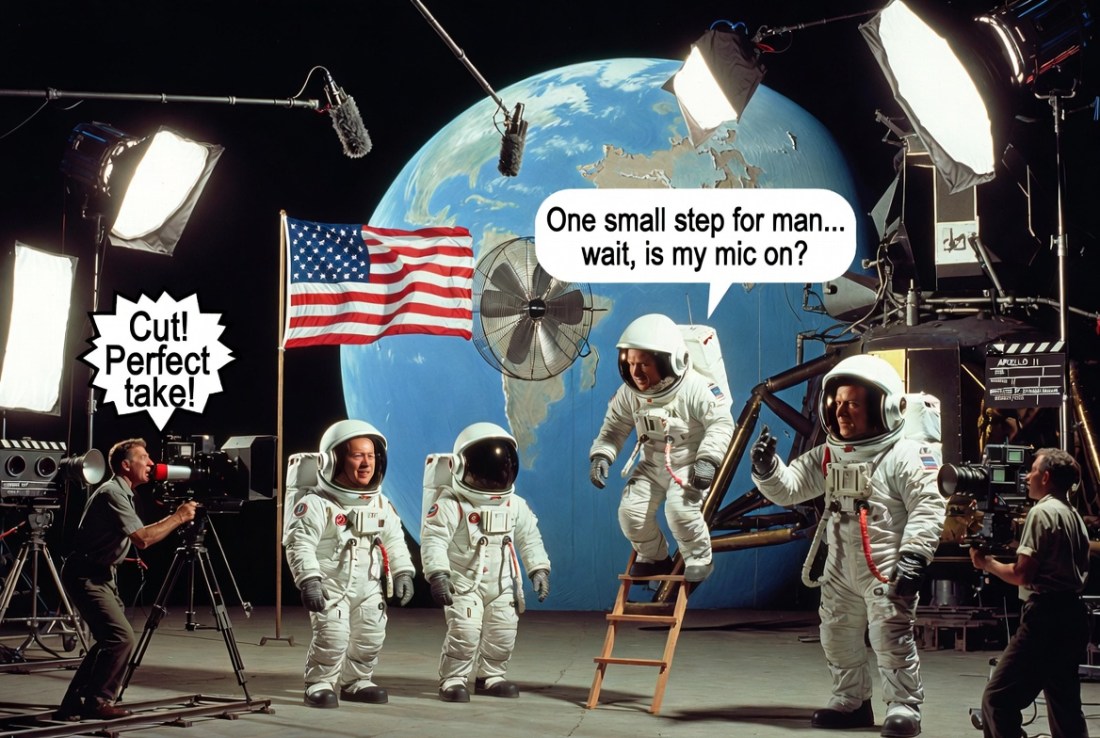
I've been questioning the Apollo narrative for over a decade. I'm done repeating myself. So I built an AI agent trained on my arguments. Tell it why you believe the narrative is true. I look forward to hearing how that goes.
Do You Care About Truth… or Winning?
This essay argues that the pursuit of truth should be the foundation of all serious intellectual conversations, especially in the Information Age where facts can be verified instantly. It makes the case that debates should embrace AI as a real-time tool for fact-checking and clarification, shifting the goal away from winning arguments and toward discovering objective reality. Truth should not depend on wit, memory, or rhetorical skill, but on evidence, verification, and the willingness to update beliefs when confronted with new information.
The End of Privacy: Why Cameras Everywhere Might Save Civilization
If there’s no expectation of privacy in public, why fear the camera? A fully transparent world—where everyone is both the watcher and the watched—could make crime nearly obsolete. Accountability is the true price of freedom.
The Absurdity of Sending American Tax Dollars Overseas
This essay exposes the moral and fiscal absurdity of the U.S. government sending billions in taxpayer dollars overseas while millions of Americans suffer at home. It argues that since the government can create money freely, the real crisis is not scarcity but misplaced priorities. The piece calls for keeping tax revenue within America to address homelessness, education, and veteran care before funding foreign causes.
Guns Should Be the Exception, Not the Rule for Police
Police guns should be the exception, not the rule, because modern technology like drones and cameras can track suspects without high-risk chases or lethal force. Most officers could safely be unarmed, with only specialized, highly trained units carrying weapons in rare, extreme situations.