Nearly every monotheistic theist who has ever existed believes that their god is the one true god. In his brilliant work, Letter to a Christian Nation, author & thinker, Sam Harris, simply & eloquently describes why that belief is simply not correct.
Tag: Common Sense
You’d think that most people would understand something with “common” in its name?!
The Overlooked Importance of Face Washing and Skin Protection
Ever wonder why we wash our hands countless times a day but often neglect our faces? In this personal reflection, I share my journey to better skin care habits and a surprising revelation from my dermatologist about sun damage on drivers' sides of faces. Learn why simple face washing throughout the day isn't just about cleanliness – it's about protecting your skin's health. Plus, get practical tips on keeping it simple: all you need is warm water, clean hands, and the right SPF moisturizer. No complicated routines required! Whether you're a skincare novice or enthusiast, discover why it's never too late to develop better habits for the face you present to the world.
Celebrity Advice vs. Real Health: Who Should You Listen To?
In today’s world, celebrities and fictional characters are increasingly used to promote health messages. While raising awareness through popular figures is common, true health comes from personal responsibility. The reliance on celebrities can distract from encouraging individuals to take control of their own health. It is crucial to consult with healthcare professionals and focus on personal health goals.
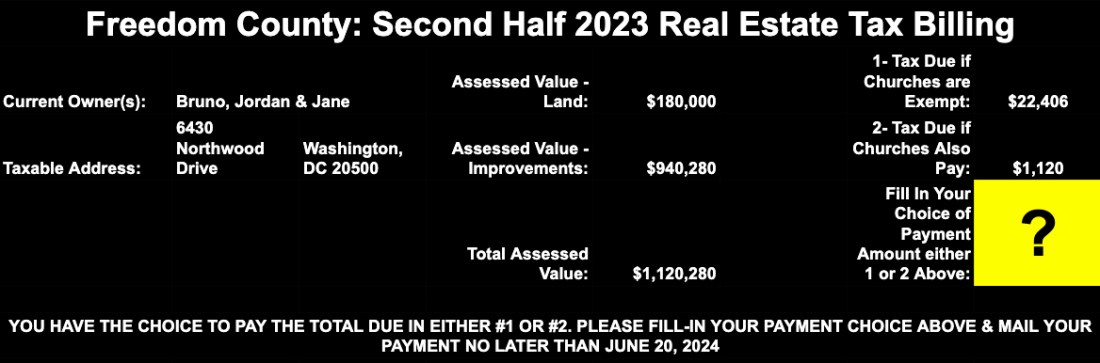
Why Religious Property Tax Exemptions Cost You More Than You Think
Abolishing property tax exemptions for religious institutions is a step towards fiscal responsibility and fairness.
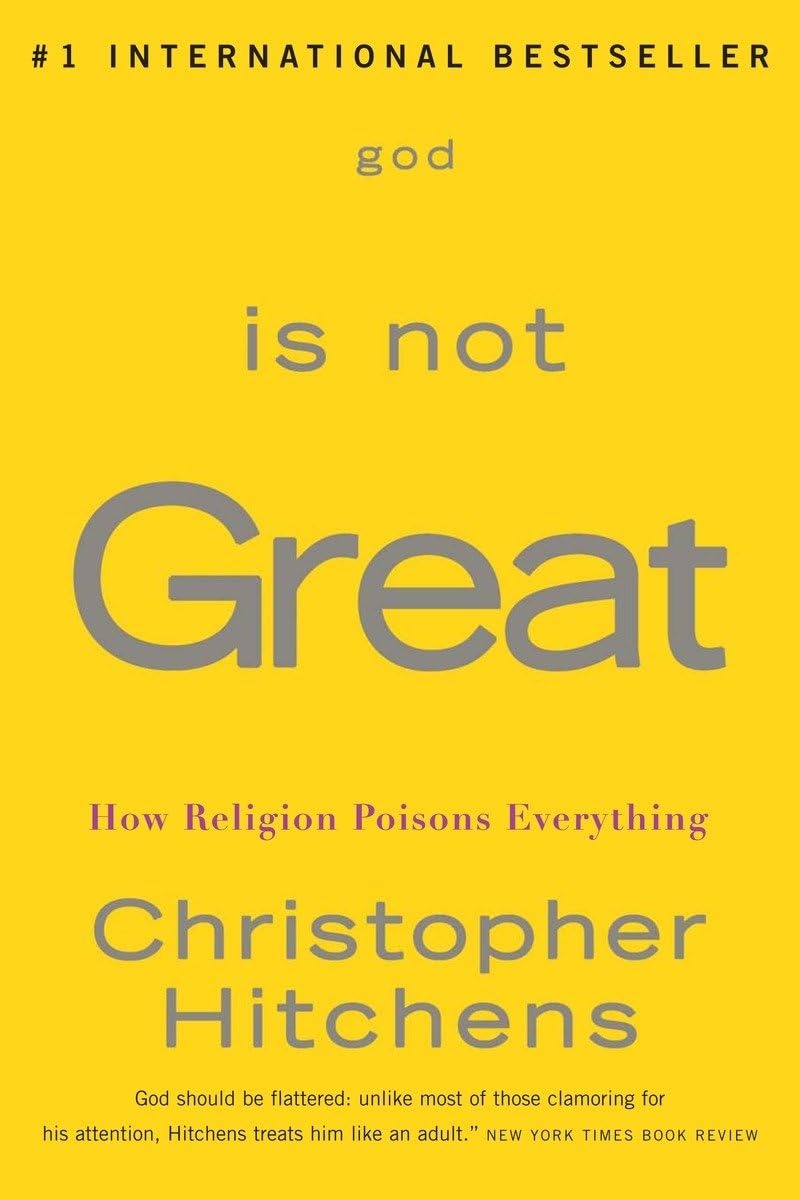
Required Reading: God is Not Great by Christopher Hitchens
This book is a must-read for anyone seeking to break free from indoctrination and embrace objective, evidence-based perspectives.
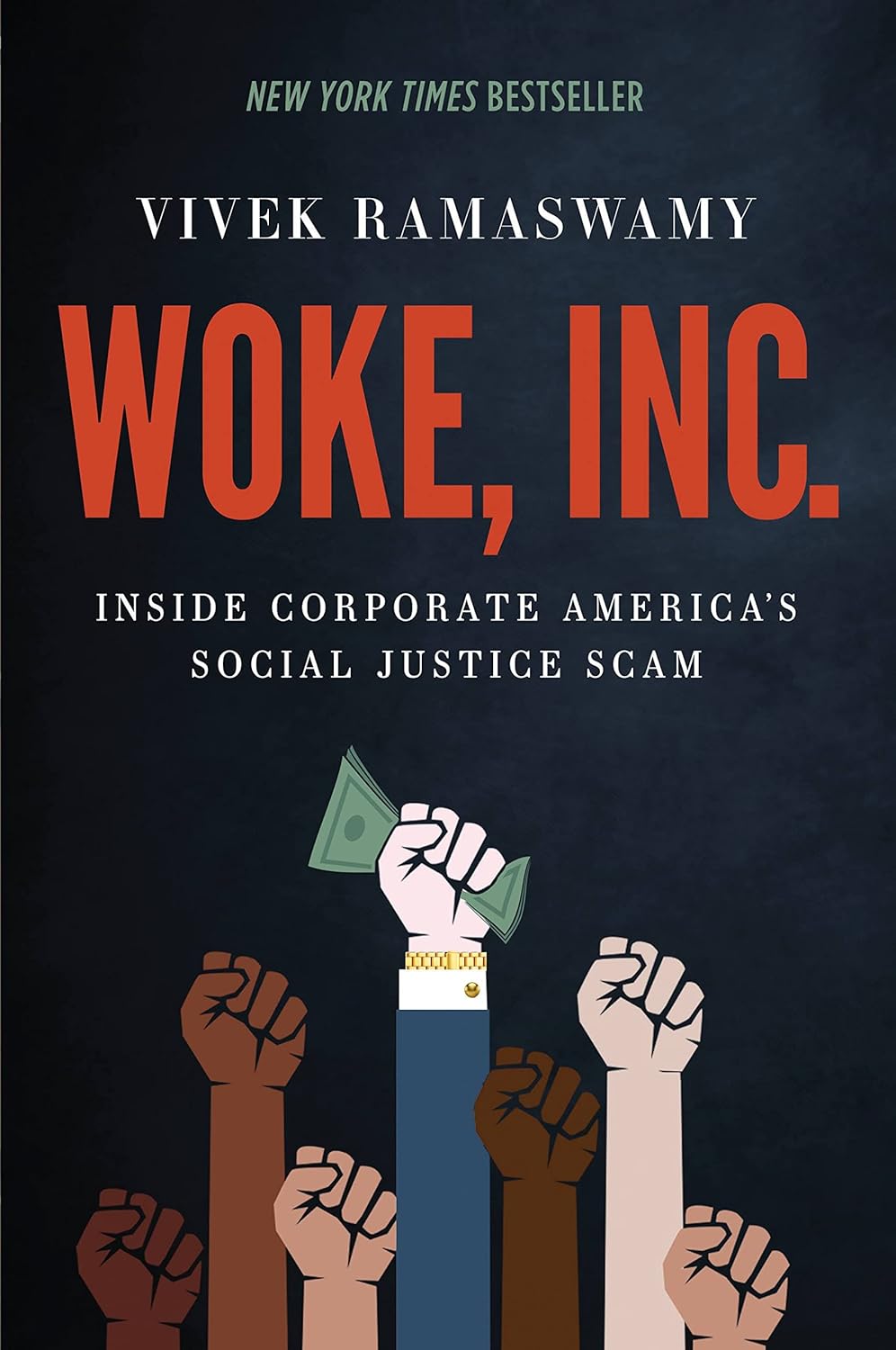
Required Reading: Woke, Inc. by Vivek Ramaswamy #RequiredReading
“Woke, Inc.” critiques the adoption of “woke” culture in corporations and institutions #butfreedom
License Plates: A Display of Guilt or Civic Duty?
The essay "License Plates: A Display of Guilt or Civic Duty?" challenges the reader to consider the implications of mandatory license plates on vehicles. It questions whether the practice aligns with the principle of being presumed innocent until proven guilty, given that license plates serve as a constant display of compliance to governmental oversight, unlike personal identification which we present only when required. The essay acknowledges the safety and accountability reasons for license plates but suggests that this requirement may be more about state surveillance and control. It invites a discussion on finding a balance between public safety and individual freedoms, possibly through technological solutions that protect privacy while ensuring accountability. The piece ultimately calls for a reevaluation of our willingness to trade autonomy for collective security and asks what steps we might take if the current compromise is found wanting.
The Ethical Question Surrounding the Leadership of President Joe Biden: A Perspective on Elderly Abuse
Navigating the delicate intersection of politics and cognitive health, the case of President Joe Biden raises profound ethical questions. Critics argue that his continued public exposure, amidst signs of cognitive decline, borders on elderly abuse, compromising his personal dignity for political gain. This situation calls for an urgent reassessment of ethical leadership, with the dignity and well-being of our leaders taking precedence over political considerations.
A Blockchain-based Social System: Incentivizing Truth and Discouraging Misinformation
The proposed social system combines blockchain technology, verified identities, and a dynamic truth scoring mechanism to promote honesty in public discourse and deter misinformation. By fostering transparency, accountability, and the potential for long-lasting impacts on personal credibility, it offers a promising solution to address the challenges of trolling and false information prevalent in the digital age.
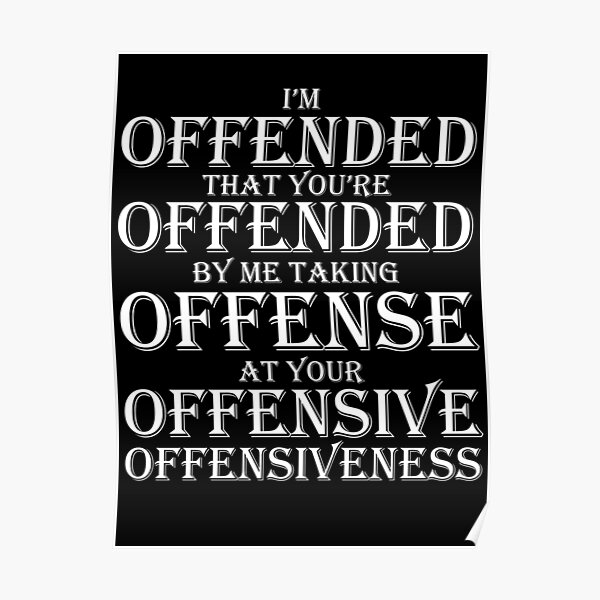
The Meaninglessness of Taking Offense: A Deeper Examination
This essay examines the meaninglessness of taking offense by exploring the subjective nature of offense and the lack of concrete consequences. It argues that the act of being offended lacks a universally accepted definition and fails to lead to tangible outcomes such as financial compensation or legal actions. Instead, the focus should be on promoting empathy, dialogue, and understanding to address conflicts and foster a more inclusive society.