This essay argues that the pursuit of truth should be the foundation of all serious intellectual conversations, especially in the Information Age where facts can be verified instantly. It makes the case that debates should embrace AI as a real-time tool for fact-checking and clarification, shifting the goal away from winning arguments and toward discovering objective reality. Truth should not depend on wit, memory, or rhetorical skill, but on evidence, verification, and the willingness to update beliefs when confronted with new information.
Tag: god
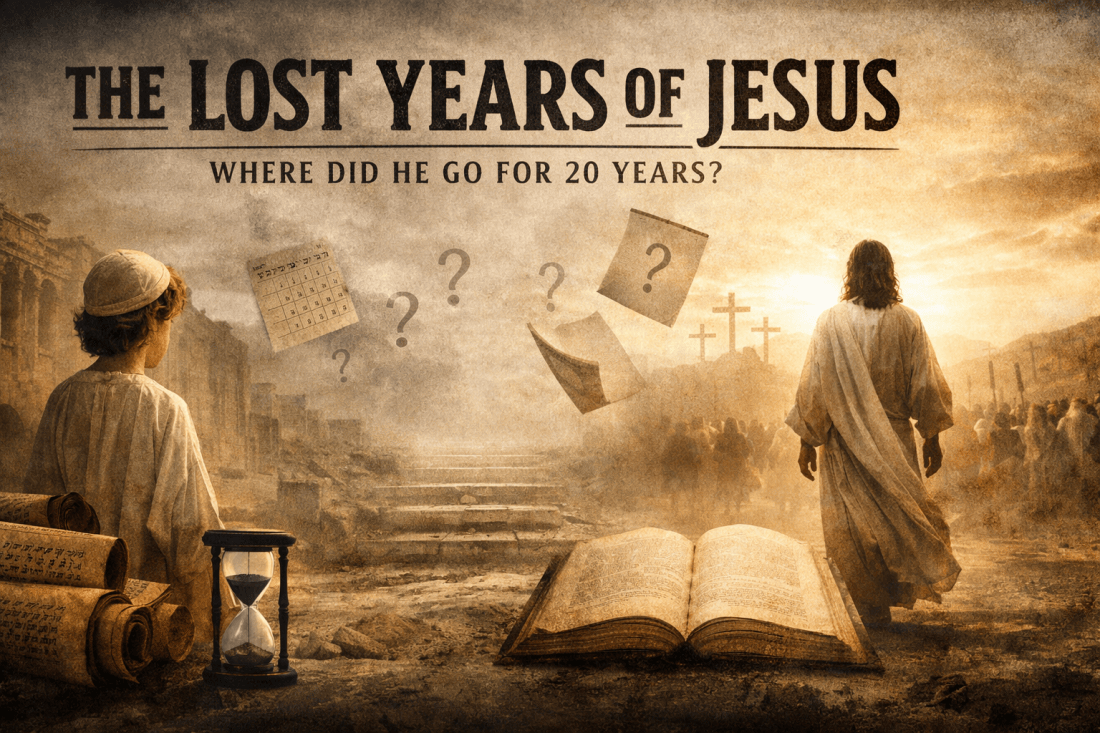
The Most Famous Man in History… and the 20-Year Disappearance No One Talks About
This essay explores the uncomfortable historical gap in the life of Jesus known as the “Lost Years,” the nearly two decades between childhood and the start of his ministry that lack any documented record. It questions why such a massive absence of evidence is rarely scrutinized despite Jesus being the most influential figure in history. The piece argues for applying the same intellectual standards to theology that we use everywhere else in life, and ultimately makes the case that morality does not require ancient authority, but can stand firmly on secular human values like empathy, compassion, and human flourishing.
Prompt Your Beliefs to Death (If They Can Survive, They’re Worth Keeping)
Most people don’t fear being wrong — they fear admitting that what they’ve believed for decades may never have been true. This essay is about confronting that fear with curiosity instead of ego. It’s about using AI not to confirm what you already think, but to challenge your assumptions, push against your blind spots, and exit the echo chamber you didn’t even realize you were in. Prompt wisely — it might just change everything.