The essay explores the complex debate surrounding universal healthcare, emphasizing that it is not just an economic issue but a reflection of societal values on the right to health. It critiques the notion of government-provided “free” healthcare, highlighting the misconception that health insurance equates to health, and underscores the role of societal altruism in bridging healthcare gaps. The piece calls for a deeper understanding of health as a fundamental human right and the need for a collective consensus on funding this commitment, beyond mere policy. This approach challenges us to rethink how we define and support health in society.
Tag: education
The Tyranny of Overprotection: Rethinking Our Approach to Laws
Laws, unlike living beings, do not expire naturally and can burden society if not regularly reassessed #butfreedom
Constitutional Evolution: Time for a Technological Renaissance in Political Theory?
Imagine a world unfettered by a centuries-old charter, where the tapestry of governance is woven afresh by each generation, responsive to the current tapestry of society. This was the reality before the Constitution, a time when possibilities were as open as the minds that explored them. Now, we stand in an era where the Constitution … Continue reading Constitutional Evolution: Time for a Technological Renaissance in Political Theory?
License Plates: A Display of Guilt or Civic Duty?
The essay "License Plates: A Display of Guilt or Civic Duty?" challenges the reader to consider the implications of mandatory license plates on vehicles. It questions whether the practice aligns with the principle of being presumed innocent until proven guilty, given that license plates serve as a constant display of compliance to governmental oversight, unlike personal identification which we present only when required. The essay acknowledges the safety and accountability reasons for license plates but suggests that this requirement may be more about state surveillance and control. It invites a discussion on finding a balance between public safety and individual freedoms, possibly through technological solutions that protect privacy while ensuring accountability. The piece ultimately calls for a reevaluation of our willingness to trade autonomy for collective security and asks what steps we might take if the current compromise is found wanting.
Meritocracy Matters: Why the Best Should Lead, Not Just the Most Diverse
In a world obsessed with being woke, let's not sleep on meritocracy. Meritocracy isn't just a concept; it's the backbone of progress and excellence. It's about rewarding hard work, skill, and talent!
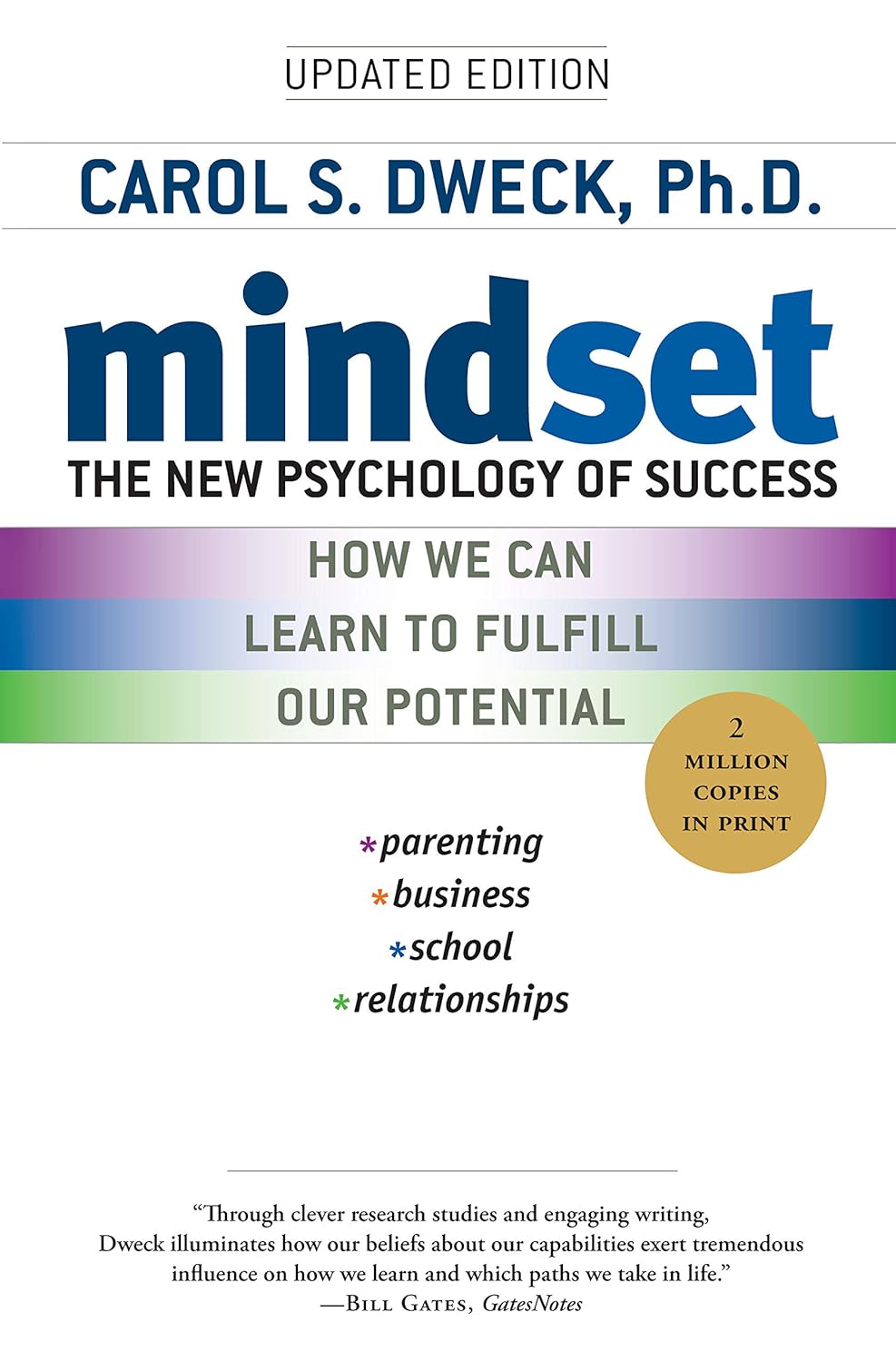
“Mindset” by Carol Dweck: A Must-Read for Personal Growth
This transformative book unveils the power of mindsets, revealing how our beliefs about our abilities profoundly impact our success and overall well-being.
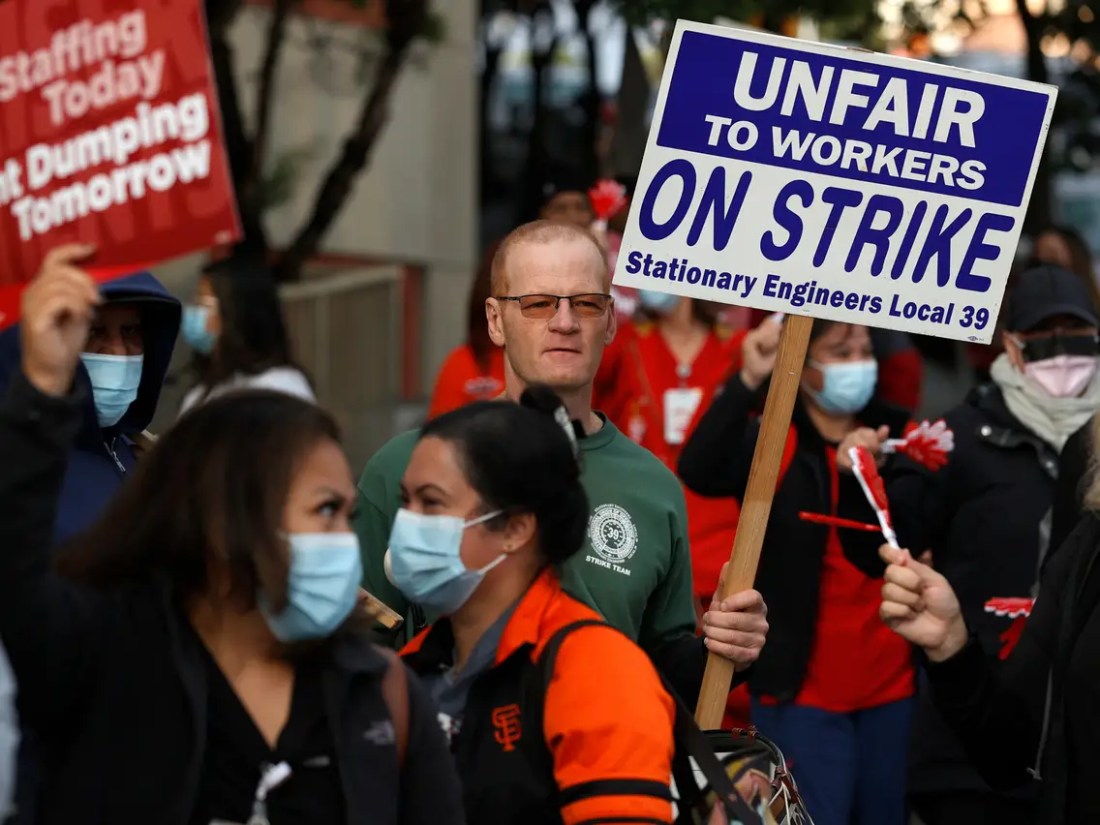
Striking Out: Why Employee Strikes Are a Dubious Enterprise
While employee strikes are often celebrated as virtuous crusades for worker rights, a closer look reveals a less noble reality. These actions can tip the balance of power unfairly, especially in struggling industries like the auto sector. Business owners take significant risks to create companies and provide jobs, yet they face the risk of collective action that could further destabilize their enterprises. The current trajectory of strikes demanding unsustainable pay raises and benefits could spell financial disaster for already debt-ridden companies. Future generations may well look back on this era and question whether these actions were acts of virtuous activism or misguided extortion.
Wealth Building and the Illusion of Opulence: The Toy Dilemma
In the pursuit of wealth, many fall for the allure of expensive toys, seeing them as symbols of success. Yet, true wealth isn't in fleeting material possessions but in sustainable growth and genuine happiness. My own modest collection serves as a testament: happiness and affluence aren't tied to the number or cost of one's toys. As we navigate our financial journey, it's crucial to differentiate between transient pleasures and long-term contentment.
Why Blind Hatred of Elon Musk is a Disservice to Oneself
In today's digital age, Elon Musk emerges as a divisive figure. Many associate him with certain political stances, often inaccurately. This has led some to avoid Tesla's pioneering technologies, like its advanced autopilot feature, merely because of biases against Musk. Much like denying oneself a catchy tune due to disagreements with the artist, shunning such innovations because of their association robs individuals of their intrinsic value. It's vital to separate products and art from the personalities behind them, embracing them for their standalone merits.
Embracing a New Logical Age: A Case for Technological Policing
In the evolving landscape of law enforcement, the traditional roles of police officers are being reimagined. Leveraging technology, like drones, offers objective surveillance and assessment, while specialized units ensure responsible use of lethal force. This fusion of technology and traditional policing aims to prioritize human life and redefine the essence of bravery.