The End of Privacy: Why Cameras Everywhere Might Save Civilization

If there’s no expectation of privacy in public, why fear the camera? A fully transparent world—where everyone is both the watcher and the watched—could make crime nearly obsolete. Accountability is the true price of freedom.

Achieving Peace Through Understanding and Education

The content emphasizes that true peace is achieved through understanding, as stated by Albert Einstein. Nicholas J. Nicastro builds on this by asserting that understanding is a product of education, distinguishing between education and mere schooling, inspired by John Taylor Gatto's ideas.

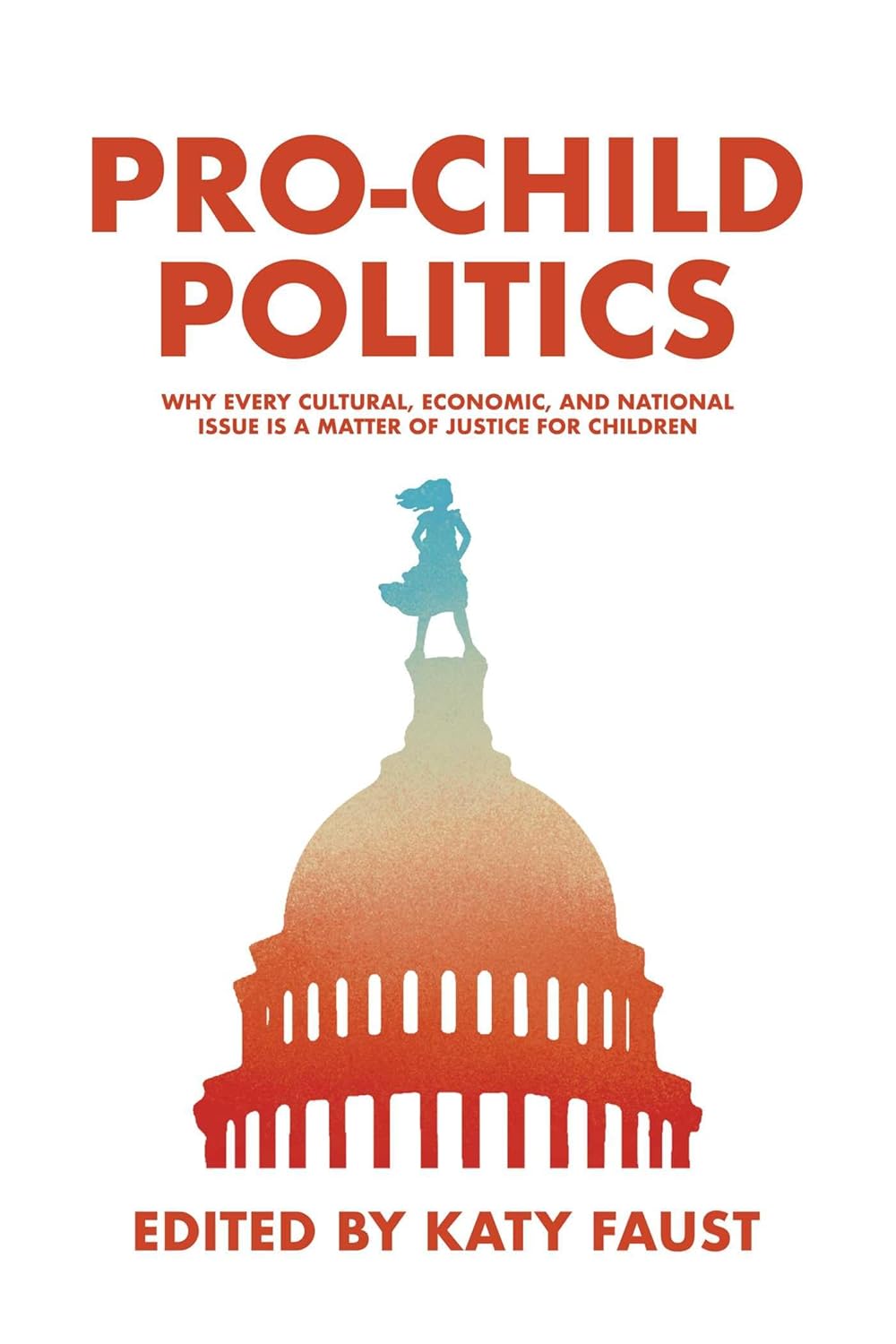
#RequiredReading: Pro-Child Politics by Katy Faust

Pro-Child Politics by Katy Faust challenges the status quo by centering children in every cultural and political conversation. This powerful collection of essays delves into critical issues like race, gender, education, and the economy, advocating for a child-first approach to policy and societal values. While I don’t align with every perspective, the book offers a profound opportunity to reflect on how we shape the next generation. A must-read for anyone seeking to protect children from ideological extremes and foster a better future.

Constitutional Evolution: Time for a Technological Renaissance in Political Theory?

Imagine a world unfettered by a centuries-old charter, where the tapestry of governance is woven afresh by each generation, responsive to the current tapestry of society. This was the reality before the Constitution, a time when possibilities were as open as the minds that explored them. Now, we stand in an era where the Constitution … Continue reading Constitutional Evolution: Time for a Technological Renaissance in Political Theory? →

Rethinking Cannabis: From Stigma to Sensibility

The essay challenges the stigma surrounding cannabis use by contrasting the diverse and mature demographic of dispensary customers with the outdated stereotype of the 'stoner.' It critiques the cultural acceptance of alcohol despite its risks, while a safer, non-toxic alternative like cannabis remains marginalized. The piece calls for a reassessment of societal perceptions, advocating for reason and informed discussion over prejudice and misconception.

License Plates: A Display of Guilt or Civic Duty?

The essay "License Plates: A Display of Guilt or Civic Duty?" challenges the reader to consider the implications of mandatory license plates on vehicles. It questions whether the practice aligns with the principle of being presumed innocent until proven guilty, given that license plates serve as a constant display of compliance to governmental oversight, unlike personal identification which we present only when required. The essay acknowledges the safety and accountability reasons for license plates but suggests that this requirement may be more about state surveillance and control. It invites a discussion on finding a balance between public safety and individual freedoms, possibly through technological solutions that protect privacy while ensuring accountability. The piece ultimately calls for a reevaluation of our willingness to trade autonomy for collective security and asks what steps we might take if the current compromise is found wanting.


Embracing a New Logical Age: A Case for Technological Policing

In the evolving landscape of law enforcement, the traditional roles of police officers are being reimagined. Leveraging technology, like drones, offers objective surveillance and assessment, while specialized units ensure responsible use of lethal force. This fusion of technology and traditional policing aims to prioritize human life and redefine the essence of bravery.

A Blockchain-based Social System: Incentivizing Truth and Discouraging Misinformation

The proposed social system combines blockchain technology, verified identities, and a dynamic truth scoring mechanism to promote honesty in public discourse and deter misinformation. By fostering transparency, accountability, and the potential for long-lasting impacts on personal credibility, it offers a promising solution to address the challenges of trolling and false information prevalent in the digital age.

No One Has A Right To Twitter

Facebook, Twitter and Google are private companies. No one forces any of us to use them. Life existed long before these companies and life will exist long after.

Solving JFK: A Podcast About The JFK Assassination

Did the Warren Commission, or any subsequent investigation, accurately describe what really happened to JFK?