We treat "tax the rich" as self-evident. It is not. This essay states the honest case for progressive taxation before taking it apart, traces just how recent and contested the modern income tax actually is, and lands on a simpler argument: if you believe the wealthy should give more, you already know one, by any honest global standard. Featuring a citation-backed nod to the strongest form of the opposing case, instead of a strawman.
Tag: government
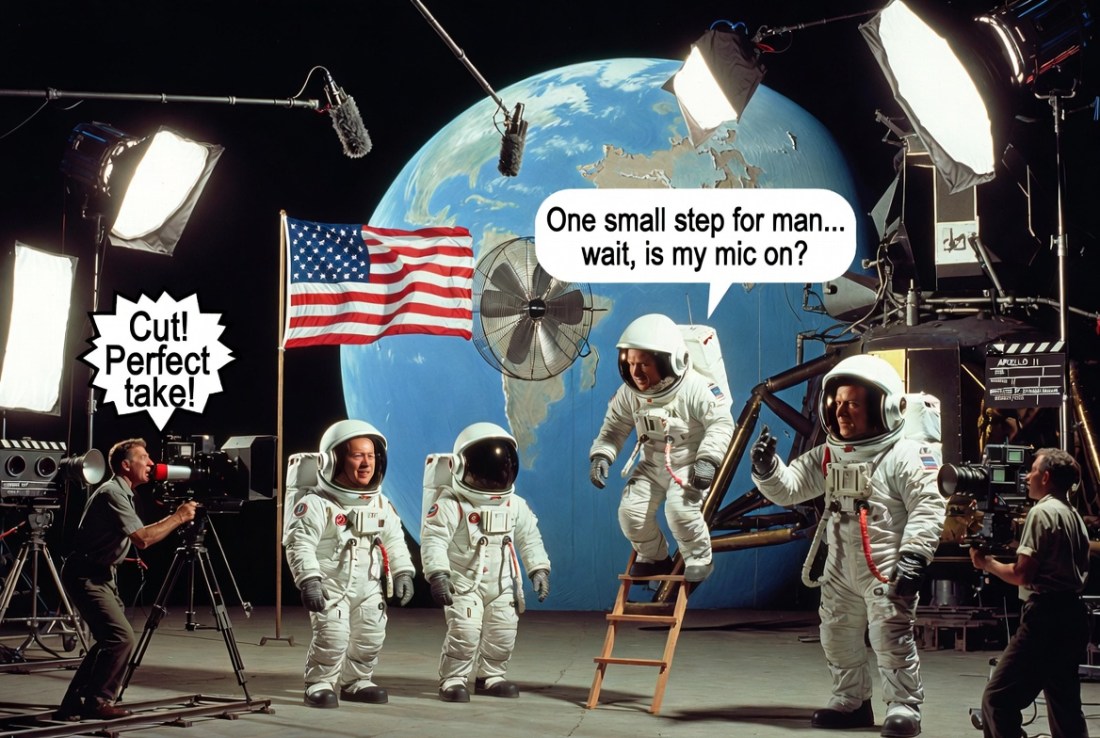
Stop Arguing With Me About Apollo. Argue With This Instead.
I've been questioning the Apollo narrative for over a decade. I'm done repeating myself. So I built an AI agent trained on my arguments. Tell it why you believe the narrative is true. I look forward to hearing how that goes.
Tesla Is Sitting on a Gold Mine It Has Not Noticed Yet
Tesla's Full Self-Driving version 14.3 introduces pothole avoidance and suggests a business opportunity to sell road condition data to municipalities. With significant data on road anomalies from its fleet, Tesla could streamline road repairs, helping cities efficiently allocate maintenance resources. This strategy not only benefits public infrastructure but also boosts Tesla's revenue potential.
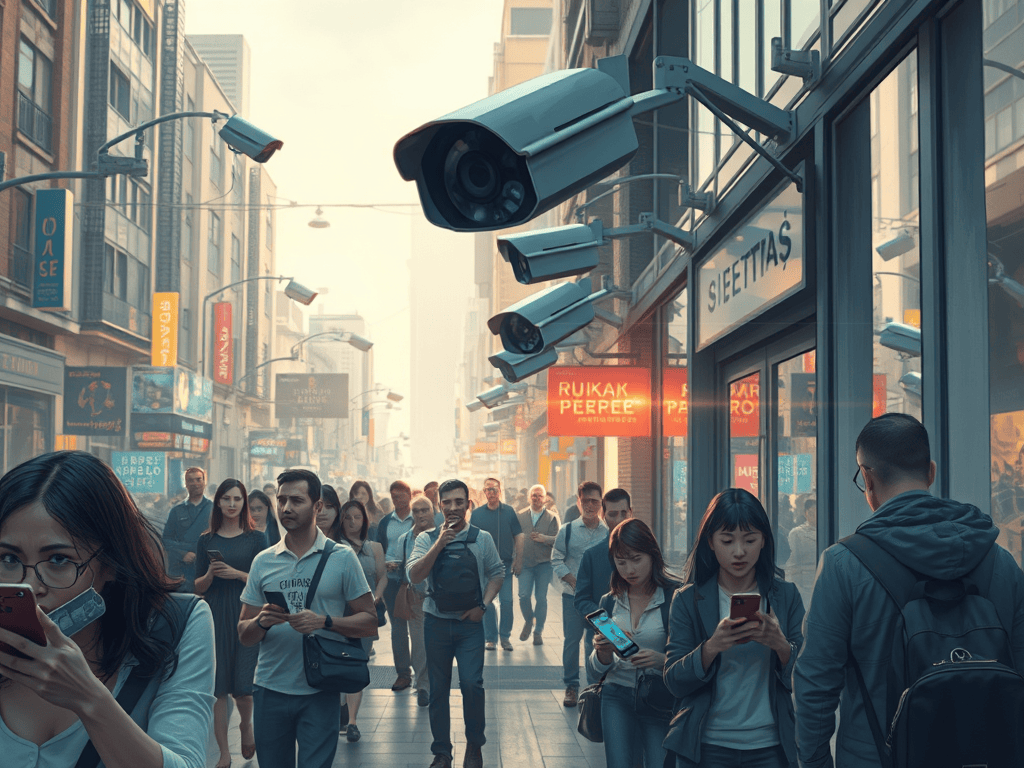
The End of Privacy: Why Cameras Everywhere Might Save Civilization
If there’s no expectation of privacy in public, why fear the camera? A fully transparent world—where everyone is both the watcher and the watched—could make crime nearly obsolete. Accountability is the true price of freedom.
The Absurdity of Sending American Tax Dollars Overseas
This essay exposes the moral and fiscal absurdity of the U.S. government sending billions in taxpayer dollars overseas while millions of Americans suffer at home. It argues that since the government can create money freely, the real crisis is not scarcity but misplaced priorities. The piece calls for keeping tax revenue within America to address homelessness, education, and veteran care before funding foreign causes.
Discrimination Must Be A Two Way Street
I argue against government intervention in anti-discrimination laws, suggesting that everyday consumer choices reflect rational discrimination. I posit that the free market, rather than legislation, would address issues of discrimination naturally. Businesses that discriminate would face market consequences, promoting equilibrium through consumer choice without government oversight.
Achieving Peace Through Understanding and Education
The content emphasizes that true peace is achieved through understanding, as stated by Albert Einstein. Nicholas J. Nicastro builds on this by asserting that understanding is a product of education, distinguishing between education and mere schooling, inspired by John Taylor Gatto's ideas.
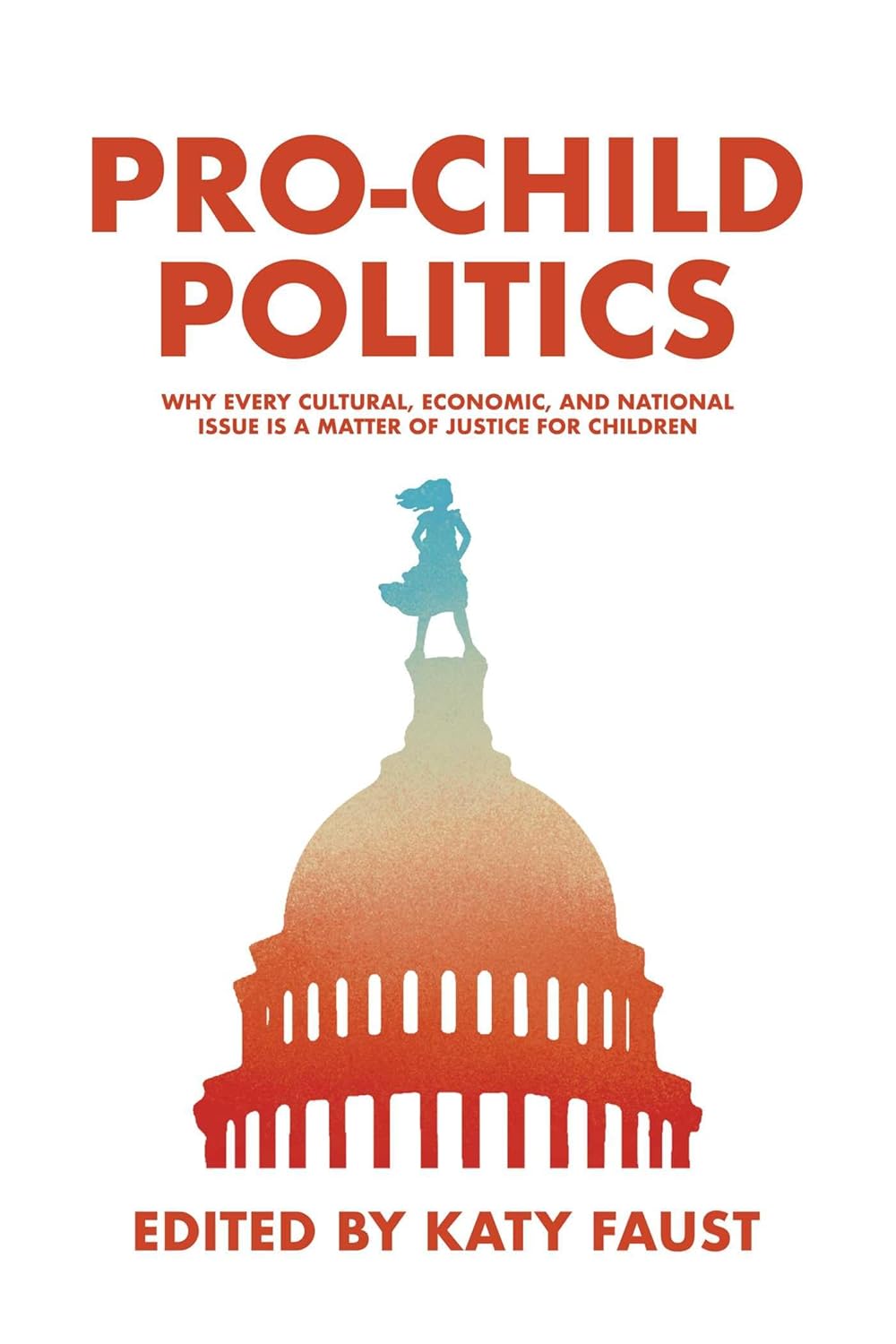
#RequiredReading: Pro-Child Politics by Katy Faust
Pro-Child Politics by Katy Faust challenges the status quo by centering children in every cultural and political conversation. This powerful collection of essays delves into critical issues like race, gender, education, and the economy, advocating for a child-first approach to policy and societal values. While I don’t align with every perspective, the book offers a profound opportunity to reflect on how we shape the next generation. A must-read for anyone seeking to protect children from ideological extremes and foster a better future.
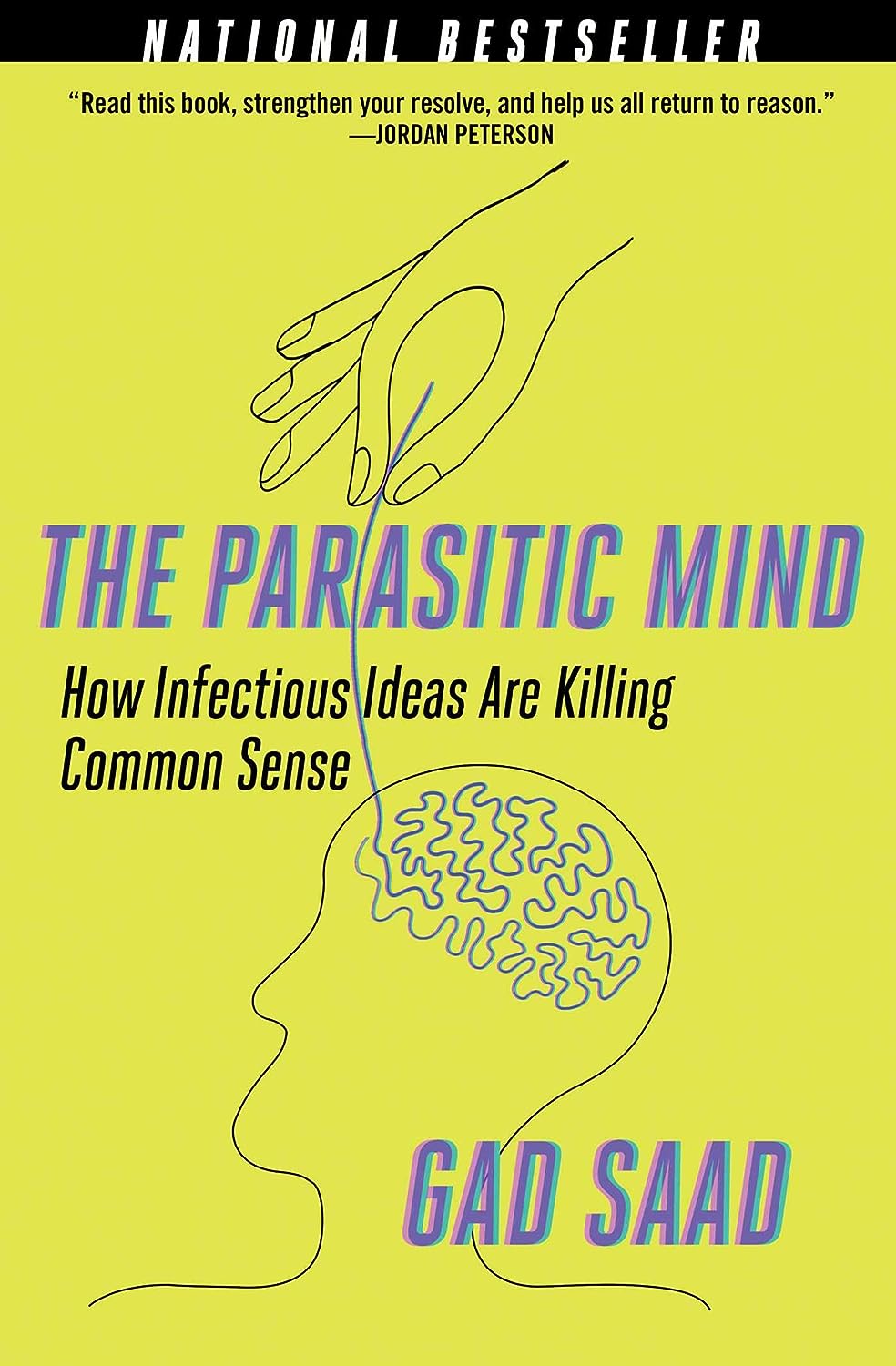
Required Reading: “The Parasitic Mind” by Gad Saad
The Parasitic Mind is essential for those who value critical thinking and intellectual freedom. Gad Saad’s insights are both thought-provoking and timely, making it a valuable addition to our #RequiredReading repertoire.
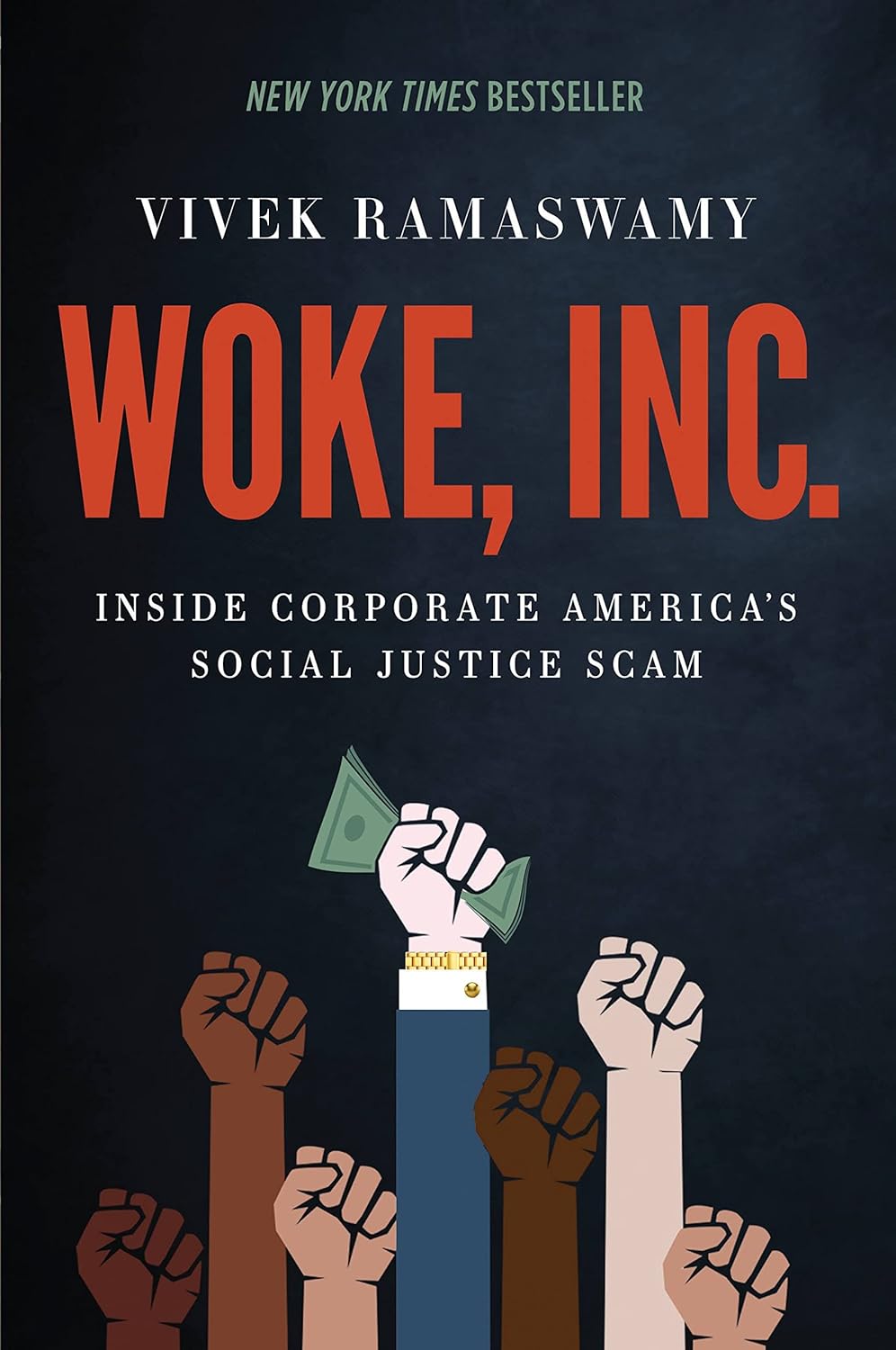
Required Reading: Woke, Inc. by Vivek Ramaswamy #RequiredReading
“Woke, Inc.” critiques the adoption of “woke” culture in corporations and institutions #butfreedom