“That’s an Appeal to Authority!” No. It Isn’t.

Name a fallacy, win the argument. That is the ritual, and it is nonsense. This essay takes apart the most abused phrase in modern discourse: the reflexive charge of "appeal to authority." It traces what Locke actually meant by argumentum ad verecundiam, lays out the narrow and specific conditions under which the fallacy is real, and explains why citing Einstein on physics is not one of them. It also gives the skeptics their due, because institutional authority has earned suspicion. But the answer to unreliable experts is getting better at evaluating them, not declaring all expertise fallacious. Featuring the fallacy fallacy, Schopenhauer being characteristically ruthless, and a direct answer to the most common objection to "Not All Opinions Are Created Equal."

History Is a Theory. Start Treating It Like One.

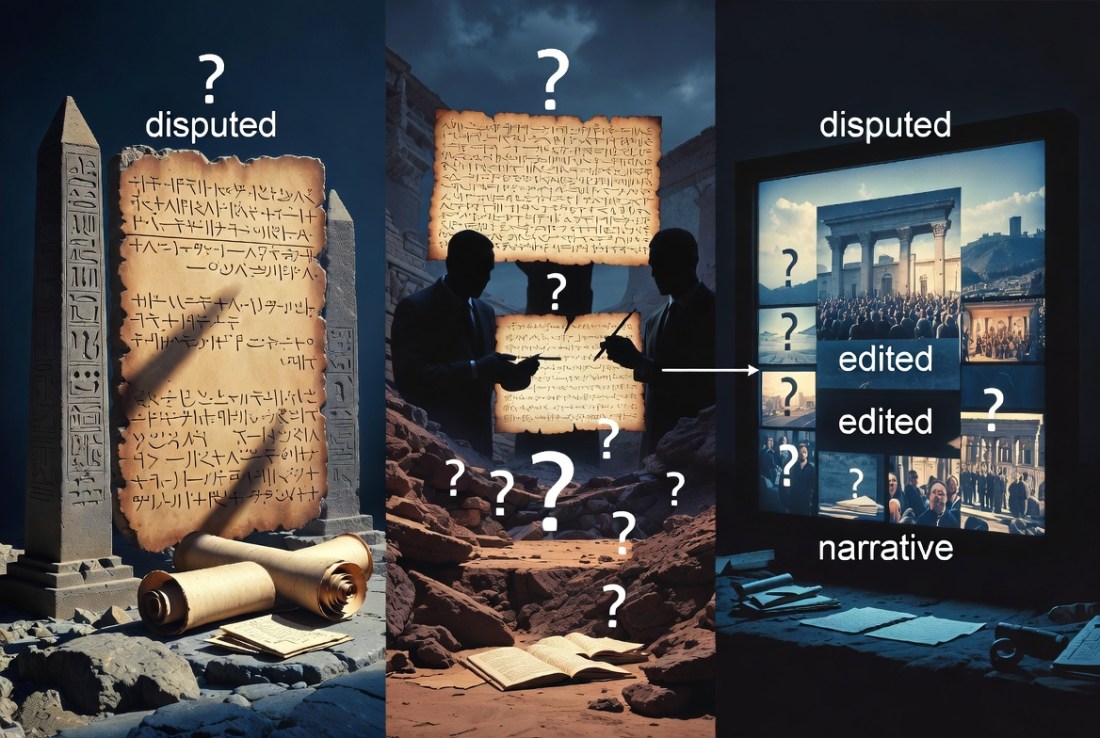
History is presented as fact. It is not. It is a collection of theories, interpretations, and narratives shaped by the same flawed, self-interested humans who run the world today. If we can watch governments manipulate the record in real time in 2026, it is naive to think it was any different a thousand or five thousand years ago. This essay argues that dead languages cannot be definitively translated, that archaeological certainty is constantly being revised, and that even events captured on video remain disputed. Intellectual honesty about the past is not cynicism. It is simply the truth.

Three Poems That Keep Me Sane: What’s Hanging on My Office Wall (And Why) Part 1

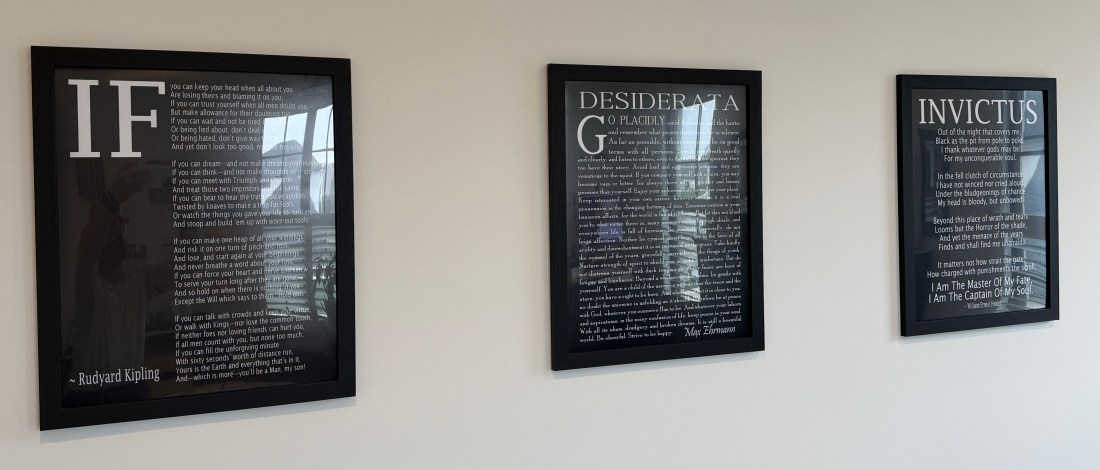
Three poems hang on the wall of my office: If by Rudyard Kipling, Desiderata by Max Ehrmann, and Invictus by William Ernest Henley. I have read each of them hundreds of times and I will read each of them hundreds more. Below them on the couch sit my kids' Squishmallows, which somehow makes the whole thing better. This essay is about why these three poems are on my wall, what each one means to me, and why I think you should put them on yours too.

To Be Great Is To Be Misunderstood

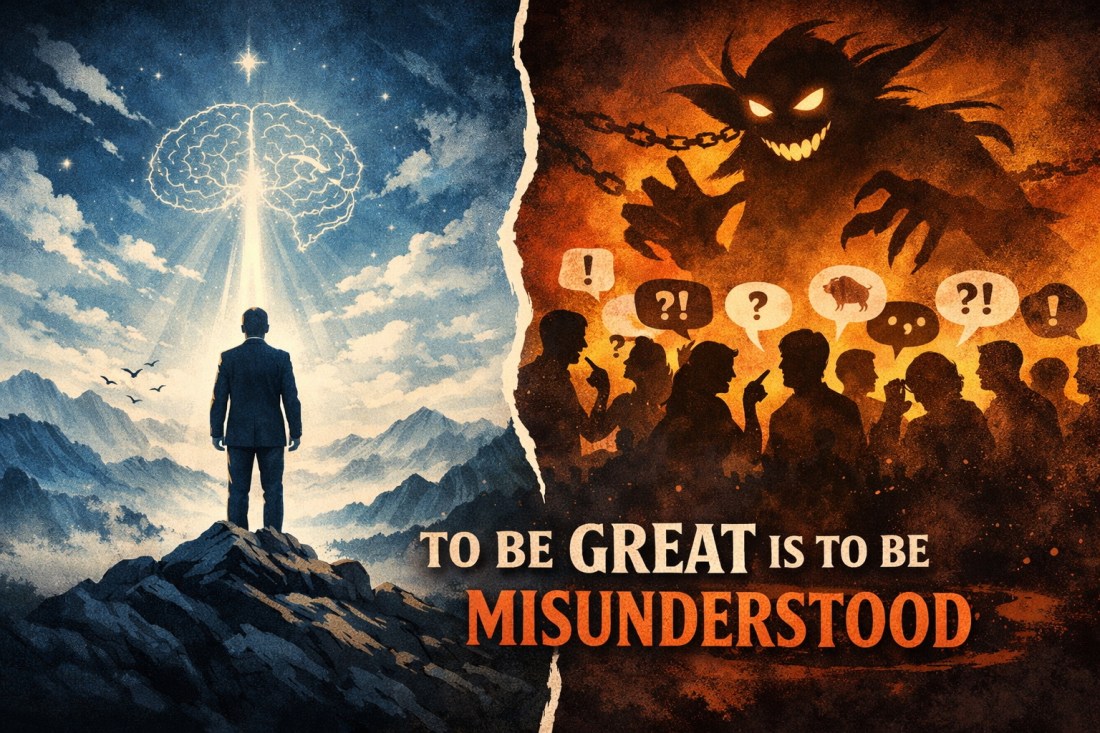
Ralph Waldo Emerson wrote "to be great is to be misunderstood" nearly two centuries ago, and it has lost none of its force. This essay unpacks what he actually meant, where the idea gets uncomfortable, and why the mere fact of being disagreed with proves nothing on its own. The key distinction: are you misunderstood because you are unclear and careless, or because you are saying something true that others are not yet ready to process? Emerson's challenge is to earn the second category, speak plainly, think rigorously, and then refuse to dilute the truth just to be liked. If no one ever misunderstands you, you are probably not saying anything worth remembering

The Chad Balance: Having No Opinion vs. Being The Adult In The Room

This essay introduces the idea of “The Chad Balance,” the delicate line between Stoic restraint and adult responsibility. Inspired by my late best friend Chad Lewis, it explores how wisdom often means having no opinion on most things, while still having the courage to speak clearly when truth, reason, or leadership is required. In a world that pressures everyone to comment on everything, the real challenge is knowing when silence is wisdom and when a grown-up needs to step forward and say the obvious thing others are afraid to say.

Do You Care About Truth… or Winning?

This essay argues that the pursuit of truth should be the foundation of all serious intellectual conversations, especially in the Information Age where facts can be verified instantly. It makes the case that debates should embrace AI as a real-time tool for fact-checking and clarification, shifting the goal away from winning arguments and toward discovering objective reality. Truth should not depend on wit, memory, or rhetorical skill, but on evidence, verification, and the willingness to update beliefs when confronted with new information.

What’s Wrong With Loving Everyone Equally?

This essay challenges the instinct to feel automatic loyalty toward people who share our identity traits such as gender, race, nationality, or religion. It argues that this impulse is simply modern tribalism in new packaging, and that true equality cannot coexist with identity-based favoritism. The piece makes the case for universal humanism, the idea that moral concern should extend equally to all people, regardless of the group they belong to.

The Ripples of Words: Finding My Mantra Quoted In The Wild

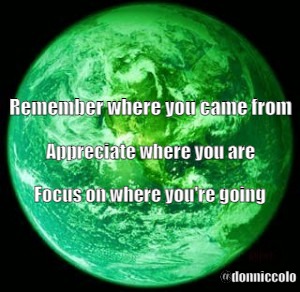
A simple mantra I wrote years ago—“Remember where you came from, appreciate where you are, focus on where you’re going”—has traveled farther than I ever imagined, quoted by strangers, schools, and friends. I share the humbling experience of seeing my words echoed in the world, along with the deeply personal memory of my late mother gifting me a carved plaque of the mantra on my 30th birthday. A reminder that our words ripple outward, sometimes in ways we’ll never fully see.

Most Things Deserve No Opinion

Most things deserve no opinion. Marcus Aurelius reminded us that we always own the option of having no opinion—a superpower in an age addicted to hot takes. Why waste energy pretending to know or care about everything? Clarity often comes not from saying more, but from saying nothing at all.

Prompt Your Beliefs to Death (If They Can Survive, They’re Worth Keeping)

Most people don’t fear being wrong — they fear admitting that what they’ve believed for decades may never have been true. This essay is about confronting that fear with curiosity instead of ego. It’s about using AI not to confirm what you already think, but to challenge your assumptions, push against your blind spots, and exit the echo chamber you didn’t even realize you were in. Prompt wisely — it might just change everything.