If there’s no expectation of privacy in public, why fear the camera? A fully transparent world—where everyone is both the watcher and the watched—could make crime nearly obsolete. Accountability is the true price of freedom.
Tag: way it’s been
The Absurdity of Sending American Tax Dollars Overseas
This essay exposes the moral and fiscal absurdity of the U.S. government sending billions in taxpayer dollars overseas while millions of Americans suffer at home. It argues that since the government can create money freely, the real crisis is not scarcity but misplaced priorities. The piece calls for keeping tax revenue within America to address homelessness, education, and veteran care before funding foreign causes.
Most Things Deserve No Opinion
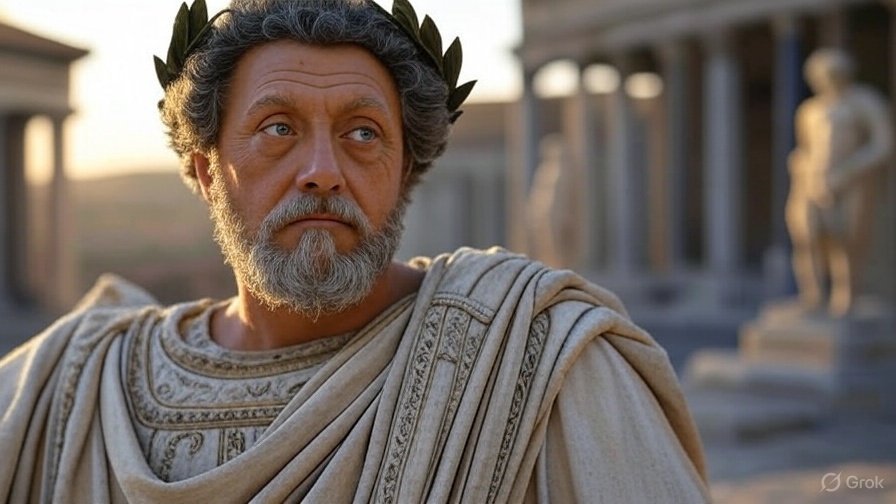
Most things deserve no opinion. Marcus Aurelius reminded us that we always own the option of having no opinion—a superpower in an age addicted to hot takes. Why waste energy pretending to know or care about everything? Clarity often comes not from saying more, but from saying nothing at all.
Guns Should Be the Exception, Not the Rule for Police
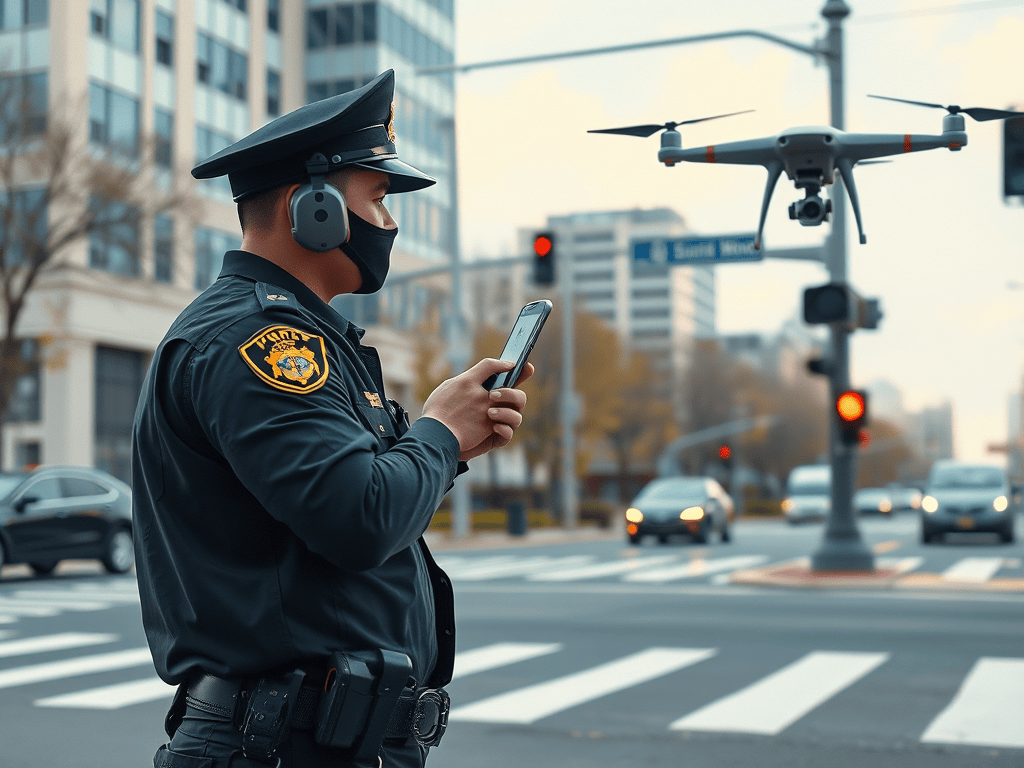
Police guns should be the exception, not the rule, because modern technology like drones and cameras can track suspects without high-risk chases or lethal force. Most officers could safely be unarmed, with only specialized, highly trained units carrying weapons in rare, extreme situations.
“Down With Big Tech!” … Sent From My iPhone
“Railing against Big Tech while tweeting from your iPhone is the height of irony. The fortunes of innovators aren’t accidents — they’re the result of voluntarily serving millions. If you think they’re too rich, stop buying what they sell.”
The Fisherman and the CEO: Perspective on Life
A wealthy CEO meets a humble fisherman in a remote village and offers a grand plan for scaling his life into something “bigger.” But with each step, the fisherman asks, “And then what?”—until it becomes clear: the life the CEO is chasing is the one the fisherman already lives. A timeless reminder to question what we’re really working toward.
The Folly of Crowds: Why Most Market Opinions Don’t Matter
Most people quoting stock prices don’t know what they’re talking about. The market reflects crowd psychology more than intrinsic value—just like polling reflects noise more than truth. That’s why informed investors tune out the chatter, do their own research, and act accordingly.
The Superpower of Paying Attention: A Note to Parents with Their Heads Down
Most parents don’t realize they’re giving up a superpower—the power of presence. At my daughter’s gymnastics class, 23 out of 28 parents were glued to their phones. If that’s your default, you’ll blink and miss a decade of your child’s life. This essay isn’t about judgment—it’s a wake-up call. Try putting your phone away. Watch. Listen. Be there. It changes everything.
Prompt Your Beliefs to Death (If They Can Survive, They’re Worth Keeping)
Most people don’t fear being wrong — they fear admitting that what they’ve believed for decades may never have been true. This essay is about confronting that fear with curiosity instead of ego. It’s about using AI not to confirm what you already think, but to challenge your assumptions, push against your blind spots, and exit the echo chamber you didn’t even realize you were in. Prompt wisely — it might just change everything.
Royalty: A Man-Made Myth We Should Outgrow
Royalty is an outdated construct that elevates a few based on bloodlines while undermining the equality of humanity. It relies on outdated beliefs similar to theology, fostering inequality. Challenging this notion is essential for a fair, merit-based society. We must reject royalty and recognize all individuals as equal, deserving of respect based on merit.