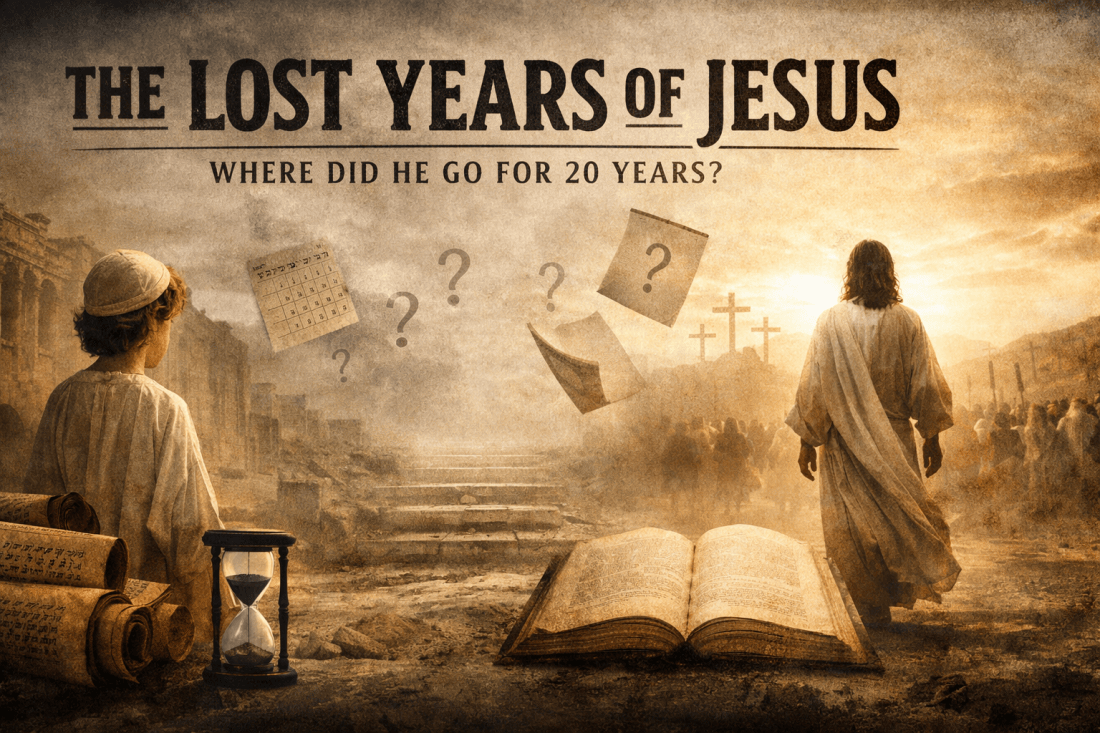
This essay explores the uncomfortable historical gap in the life of Jesus known as the “Lost Years,” the nearly two decades between childhood and the start of his ministry that lack any documented record. It questions why such a massive absence of evidence is rarely scrutinized despite Jesus being the most influential figure in history. The piece argues for applying the same intellectual standards to theology that we use everywhere else in life, and ultimately makes the case that morality does not require ancient authority, but can stand firmly on secular human values like empathy, compassion, and human flourishing.
Tag: education
Leaders Eat Last, Fathers Even Later
This essay argues that real fatherhood requires delayed gratification, not as a burden but as a defining virtue. Drawing on the idea that “leaders eat last,” it explains that great fathers willingly put their family’s needs ahead of their own, even in small moments like serving everyone dinner before taking a plate. Delayed gratification becomes the backbone of fatherhood, shaping a home built on stability, service, and example. Children learn not from speeches but from watching their father consistently put them first. A man who can wait, who can sacrifice quietly and purposefully, becomes the anchor of the family and leaves a legacy grounded in strength, restraint, and love.
China Is Test-Driving the Future. The Rest of Us Are Still Arguing About Gas Stations.
China is living in the transportation future while the West is still arguing about gas stations. With nearly half of all new cars sold in China already electric, and China responsible for two-thirds of global EV volume, the world’s largest auto market has shifted decisively away from gasoline. The essay highlights that EVs are winning because they are simply better to own, charge, and drive, and questions why people with no financial stake still defend the hassles of gas stations. Drawing on your 2019 essay imagining a world where EVs came first, the piece argues that China’s real-time transformation is the clearest signal of where the global auto industry is headed, whether skeptics like it or not.
Be the Adult in the Room
This essay argues that being the “adult in the room” means standing up for truth and accountability, even when it’s uncomfortable. Using a neighbor’s repeated irresponsibility as an example, it explores how society confuses honesty with hostility and silence with kindness. It condemns complacency through the parable, “What do you call ten people having dinner with a Nazi? Eleven Nazis,” emphasizing that ignoring wrongdoing is complicity. The piece encourages readers to speak calmly but firmly, following Dale Carnegie’s principles—never apologizing for maturity or moral clarity.
The Absurdity of Sending American Tax Dollars Overseas
This essay exposes the moral and fiscal absurdity of the U.S. government sending billions in taxpayer dollars overseas while millions of Americans suffer at home. It argues that since the government can create money freely, the real crisis is not scarcity but misplaced priorities. The piece calls for keeping tax revenue within America to address homelessness, education, and veteran care before funding foreign causes.
Guns Should Be the Exception, Not the Rule for Police
Police guns should be the exception, not the rule, because modern technology like drones and cameras can track suspects without high-risk chases or lethal force. Most officers could safely be unarmed, with only specialized, highly trained units carrying weapons in rare, extreme situations.
“Down With Big Tech!” … Sent From My iPhone
“Railing against Big Tech while tweeting from your iPhone is the height of irony. The fortunes of innovators aren’t accidents — they’re the result of voluntarily serving millions. If you think they’re too rich, stop buying what they sell.”
The Folly of Crowds: Why Most Market Opinions Don’t Matter
Most people quoting stock prices don’t know what they’re talking about. The market reflects crowd psychology more than intrinsic value—just like polling reflects noise more than truth. That’s why informed investors tune out the chatter, do their own research, and act accordingly.
Prompt Your Beliefs to Death (If They Can Survive, They’re Worth Keeping)
Most people don’t fear being wrong — they fear admitting that what they’ve believed for decades may never have been true. This essay is about confronting that fear with curiosity instead of ego. It’s about using AI not to confirm what you already think, but to challenge your assumptions, push against your blind spots, and exit the echo chamber you didn’t even realize you were in. Prompt wisely — it might just change everything.
Royalty: A Man-Made Myth We Should Outgrow
Royalty is an outdated construct that elevates a few based on bloodlines while undermining the equality of humanity. It relies on outdated beliefs similar to theology, fostering inequality. Challenging this notion is essential for a fair, merit-based society. We must reject royalty and recognize all individuals as equal, deserving of respect based on merit.