We live in a world that treats all opinions as equal. They are not. This essay makes the case that expertise matters, that direct experience outweighs uninformed confidence, and that the willingness to ask 'what does this person actually know, and why?' is one of the most underrated habits in modern life. Featuring a hard look at how we evaluate polarizing public figures, and a simple framework for thinking more honestly about whose opinion deserves your attention.
Tag: writing
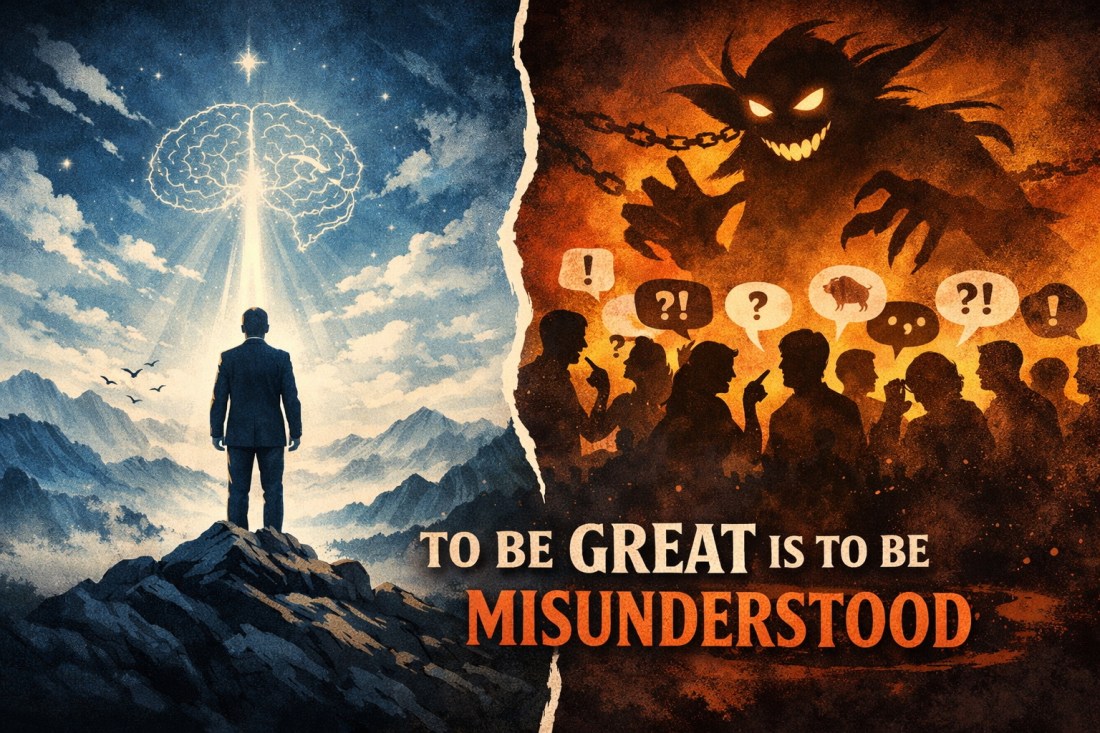
To Be Great Is To Be Misunderstood
Ralph Waldo Emerson wrote "to be great is to be misunderstood" nearly two centuries ago, and it has lost none of its force. This essay unpacks what he actually meant, where the idea gets uncomfortable, and why the mere fact of being disagreed with proves nothing on its own. The key distinction: are you misunderstood because you are unclear and careless, or because you are saying something true that others are not yet ready to process? Emerson's challenge is to earn the second category, speak plainly, think rigorously, and then refuse to dilute the truth just to be liked. If no one ever misunderstands you, you are probably not saying anything worth remembering
What’s Wrong With Loving Everyone Equally?
This essay challenges the instinct to feel automatic loyalty toward people who share our identity traits such as gender, race, nationality, or religion. It argues that this impulse is simply modern tribalism in new packaging, and that true equality cannot coexist with identity-based favoritism. The piece makes the case for universal humanism, the idea that moral concern should extend equally to all people, regardless of the group they belong to.
Compliance, Cancer, and Combustion: A Day That Earned Its Name
One day. Three disasters. A lasting shift in perspective. This essay is about January 22, 2018, and how fear and loss became unlikely catalysts for growth and gratitude.
The Arrogance of Certainty: How “Egyptologists” Pretend to Know the Impossible
This essay dismantles the arrogance of modern “Egyptologists” who claim to know precisely how the pyramids were built despite glaring contradictions in their explanations. It argues that hauling multi-ton stones hundreds of feet high using primitive tools is implausible, that key evidence (like missing mummies) undermines the tomb theory, and that academic certainty is just another form of dogma. The piece calls for humility, suggesting that the Egyptians may have inherited rather than constructed these structures, and ends by asserting that true science thrives on curiosity, not the illusion of knowing everything.
The Absurdity of Sending American Tax Dollars Overseas
This essay exposes the moral and fiscal absurdity of the U.S. government sending billions in taxpayer dollars overseas while millions of Americans suffer at home. It argues that since the government can create money freely, the real crisis is not scarcity but misplaced priorities. The piece calls for keeping tax revenue within America to address homelessness, education, and veteran care before funding foreign causes.
Most Things Deserve No Opinion
Most things deserve no opinion. Marcus Aurelius reminded us that we always own the option of having no opinion—a superpower in an age addicted to hot takes. Why waste energy pretending to know or care about everything? Clarity often comes not from saying more, but from saying nothing at all.
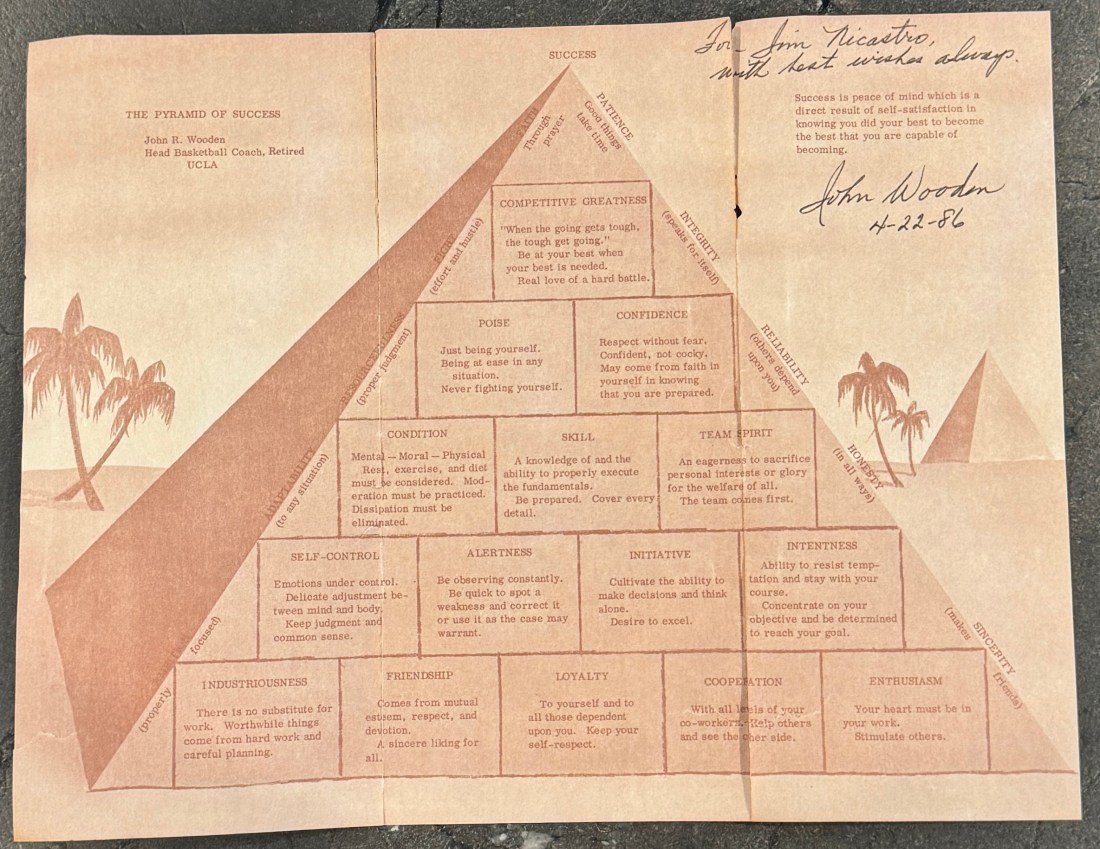
Breakfast with a Legend – and the Letter That Proved It. John Wooden Meets My Dad.
Breakfast with a legend: In 1986 my dad struck up an impromptu, hours-long breakfast with Coach John Wooden—then received a handwritten thank-you note and signed Pyramid of Success as proof that kindness leaves a paper trail. This Father’s Day we framed the relic, honoring the quiet greatness of both men.
Royalty: A Man-Made Myth We Should Outgrow
Royalty is an outdated construct that elevates a few based on bloodlines while undermining the equality of humanity. It relies on outdated beliefs similar to theology, fostering inequality. Challenging this notion is essential for a fair, merit-based society. We must reject royalty and recognize all individuals as equal, deserving of respect based on merit.
Collecting Is Just Well Planned Hoarding
The Minimalists have said a lot of things that have stuck with me over the years. One was about how "organizing is well-planned hoarding." How simple yet profound. Thankfully, after my house caught fire, I gained perspective about many things. As I was tasked with manually removing 250 bottles of whiskey from my home, I … Continue reading Collecting Is Just Well Planned Hoarding