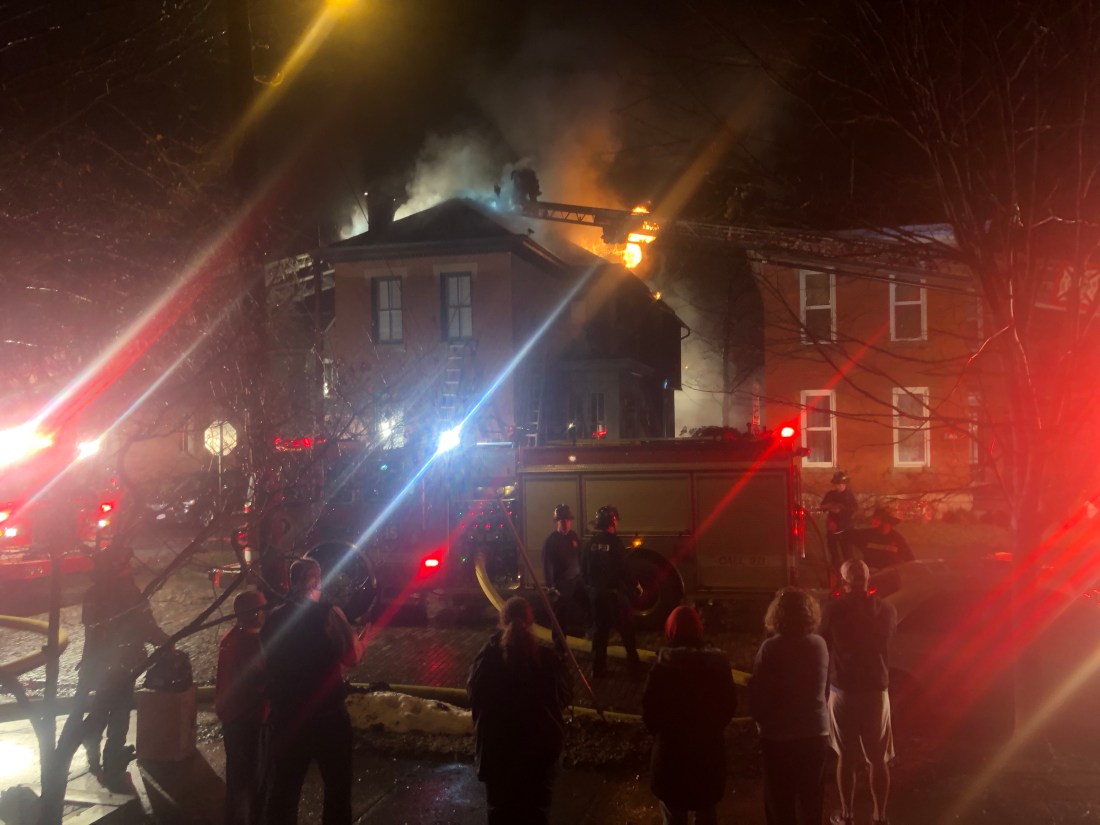
One day. Three disasters. A lasting shift in perspective. This essay is about January 22, 2018, and how fear and loss became unlikely catalysts for growth and gratitude.
Compliance, Cancer, and Combustion: A Day That Earned Its Name

logical thinking in an illogical world
The official homepage of Nicholas J. Nicastro aka donniccolo | open minds | common sense | freedom
Random thoughts!
One day. Three disasters. A lasting shift in perspective. This essay is about January 22, 2018, and how fear and loss became unlikely catalysts for growth and gratitude.

This essay argues that real fatherhood requires delayed gratification, not as a burden but as a defining virtue. Drawing on the idea that “leaders eat last,” it explains that great fathers willingly put their family’s needs ahead of their own, even in small moments like serving everyone dinner before taking a plate. Delayed gratification becomes the backbone of fatherhood, shaping a home built on stability, service, and example. Children learn not from speeches but from watching their father consistently put them first. A man who can wait, who can sacrifice quietly and purposefully, becomes the anchor of the family and leaves a legacy grounded in strength, restraint, and love.
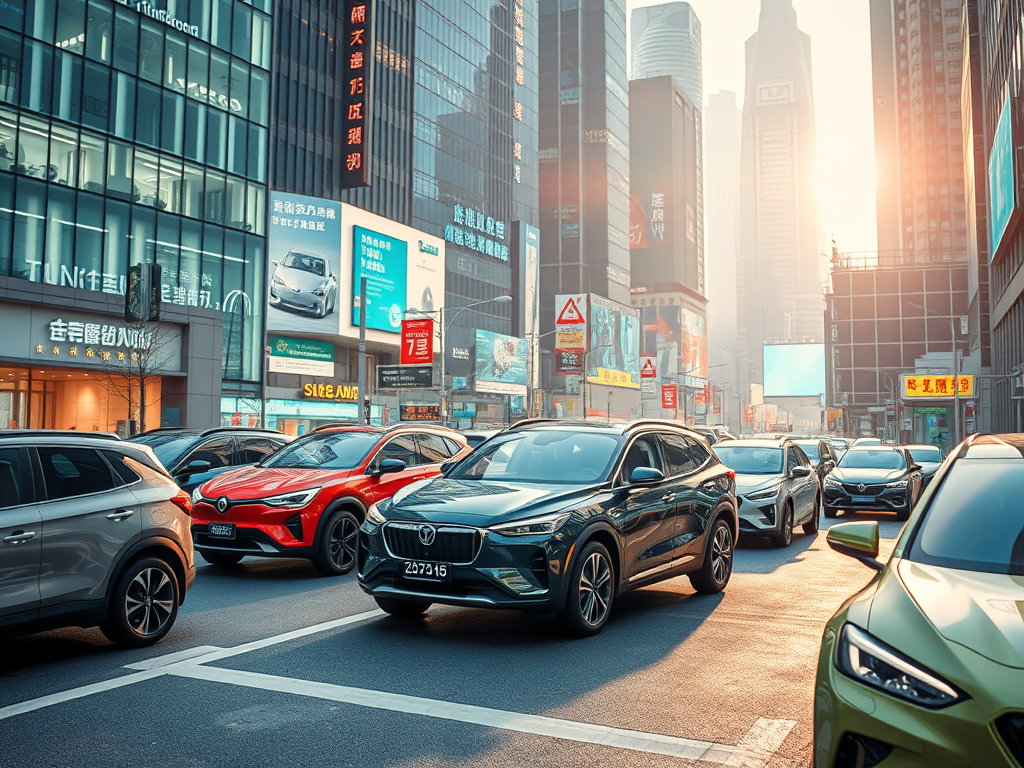
China is living in the transportation future while the West is still arguing about gas stations. With nearly half of all new cars sold in China already electric, and China responsible for two-thirds of global EV volume, the world’s largest auto market has shifted decisively away from gasoline. The essay highlights that EVs are winning because they are simply better to own, charge, and drive, and questions why people with no financial stake still defend the hassles of gas stations. Drawing on your 2019 essay imagining a world where EVs came first, the piece argues that China’s real-time transformation is the clearest signal of where the global auto industry is headed, whether skeptics like it or not.
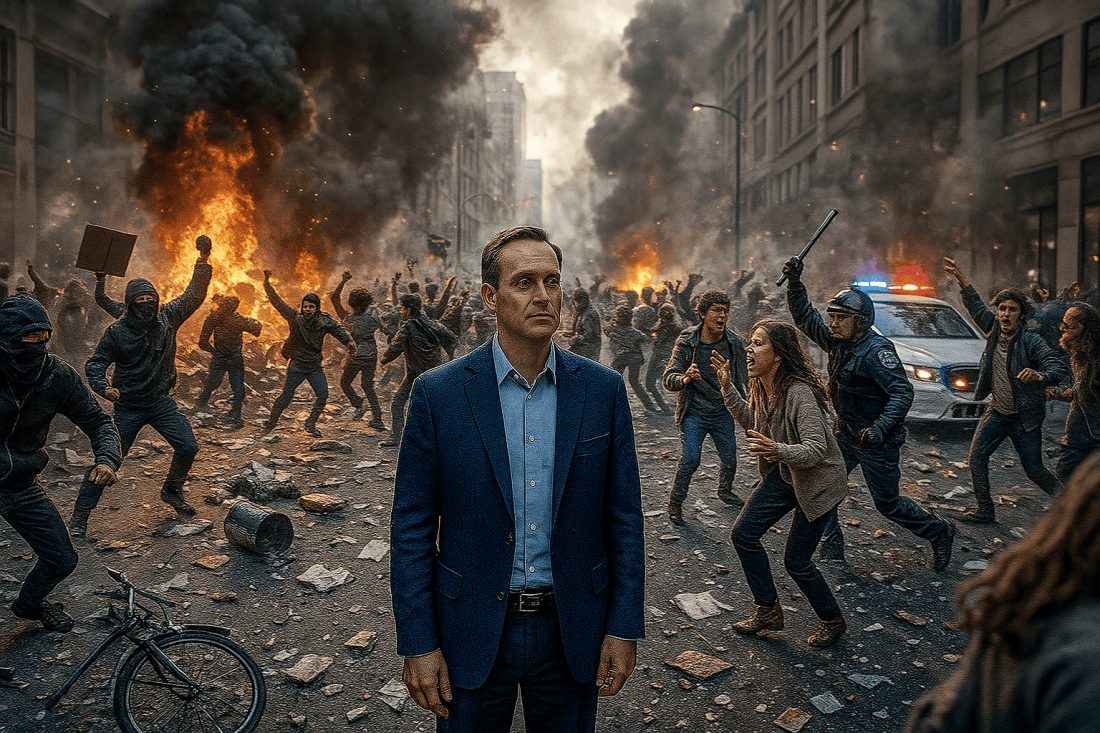
This essay argues that being the “adult in the room” means standing up for truth and accountability, even when it’s uncomfortable. Using a neighbor’s repeated irresponsibility as an example, it explores how society confuses honesty with hostility and silence with kindness. It condemns complacency through the parable, “What do you call ten people having dinner with a Nazi? Eleven Nazis,” emphasizing that ignoring wrongdoing is complicity. The piece encourages readers to speak calmly but firmly, following Dale Carnegie’s principles—never apologizing for maturity or moral clarity.
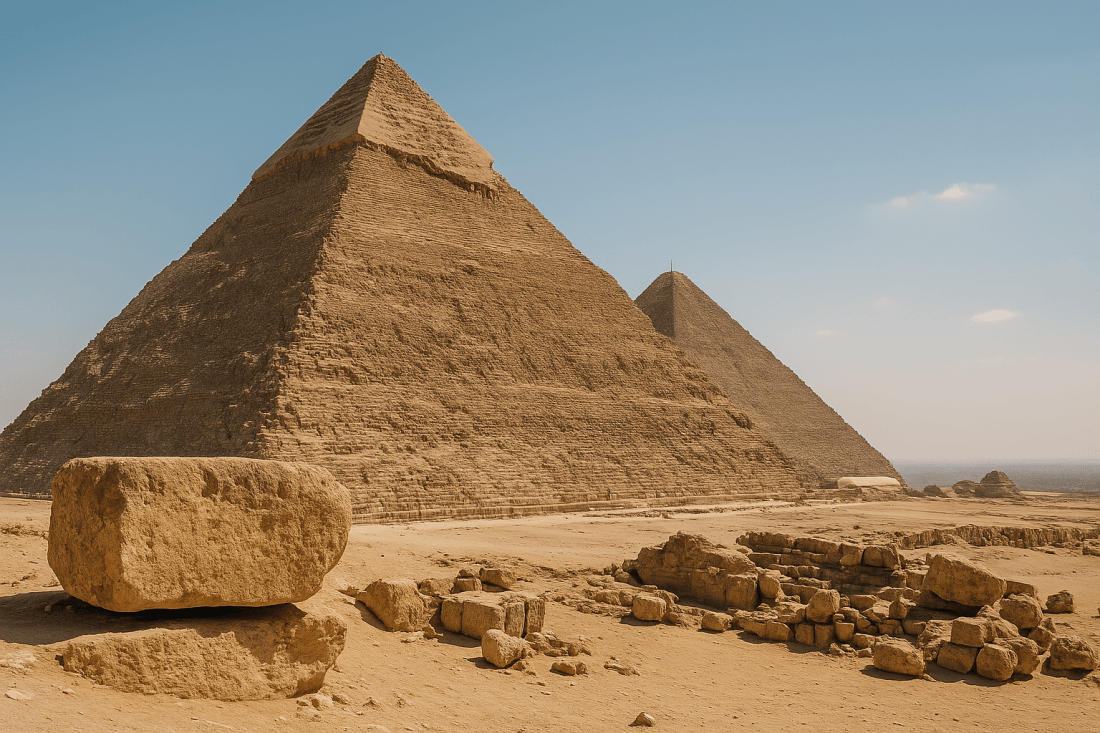
This essay dismantles the arrogance of modern “Egyptologists” who claim to know precisely how the pyramids were built despite glaring contradictions in their explanations. It argues that hauling multi-ton stones hundreds of feet high using primitive tools is implausible, that key evidence (like missing mummies) undermines the tomb theory, and that academic certainty is just another form of dogma. The piece calls for humility, suggesting that the Egyptians may have inherited rather than constructed these structures, and ends by asserting that true science thrives on curiosity, not the illusion of knowing everything.
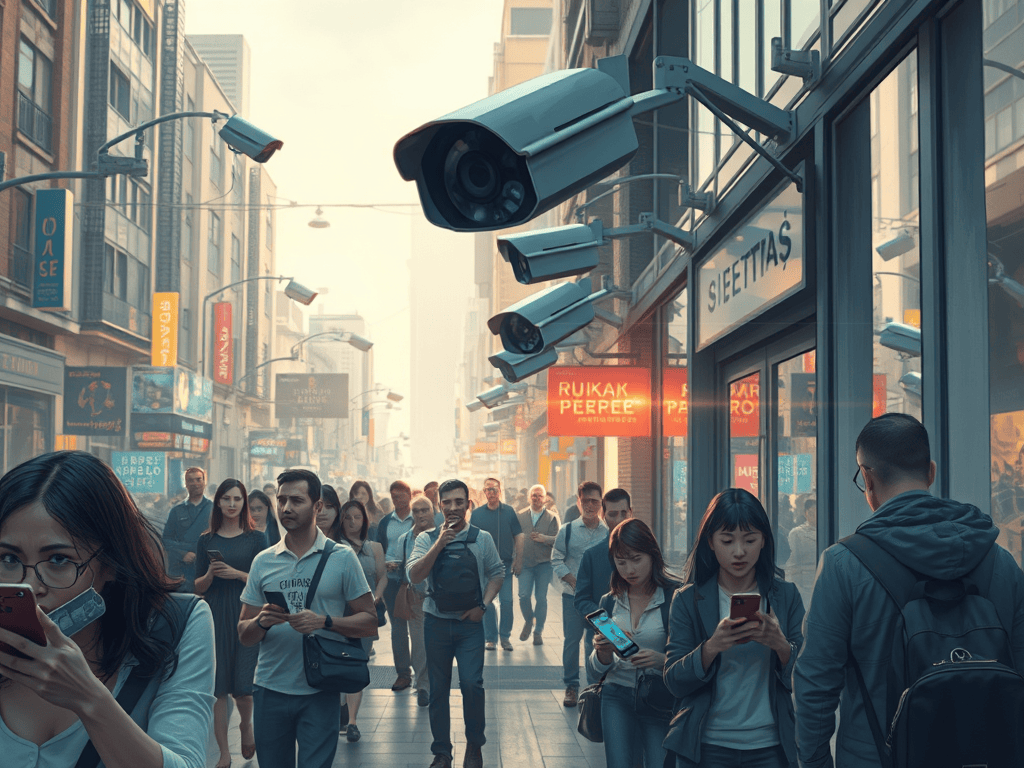
If there’s no expectation of privacy in public, why fear the camera? A fully transparent world—where everyone is both the watcher and the watched—could make crime nearly obsolete. Accountability is the true price of freedom.
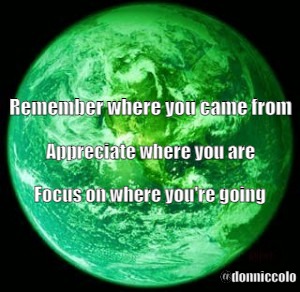
A simple mantra I wrote years ago—“Remember where you came from, appreciate where you are, focus on where you’re going”—has traveled farther than I ever imagined, quoted by strangers, schools, and friends. I share the humbling experience of seeing my words echoed in the world, along with the deeply personal memory of my late mother gifting me a carved plaque of the mantra on my 30th birthday. A reminder that our words ripple outward, sometimes in ways we’ll never fully see.
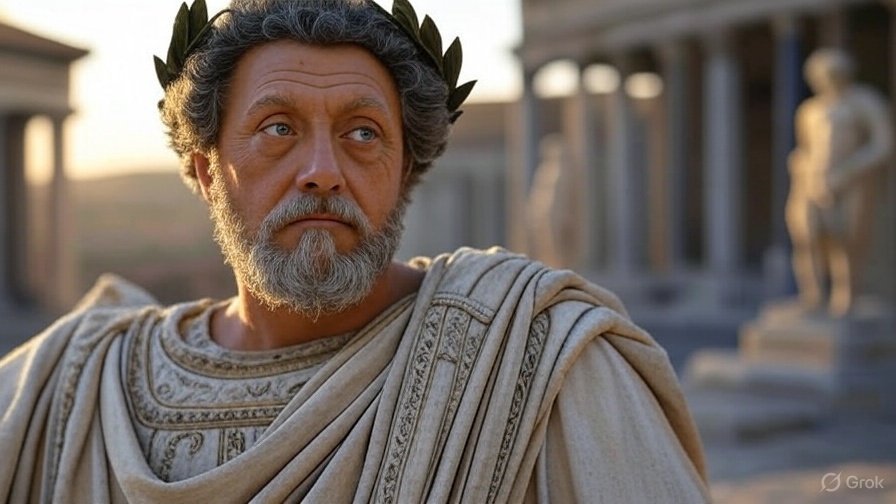
Most things deserve no opinion. Marcus Aurelius reminded us that we always own the option of having no opinion—a superpower in an age addicted to hot takes. Why waste energy pretending to know or care about everything? Clarity often comes not from saying more, but from saying nothing at all.
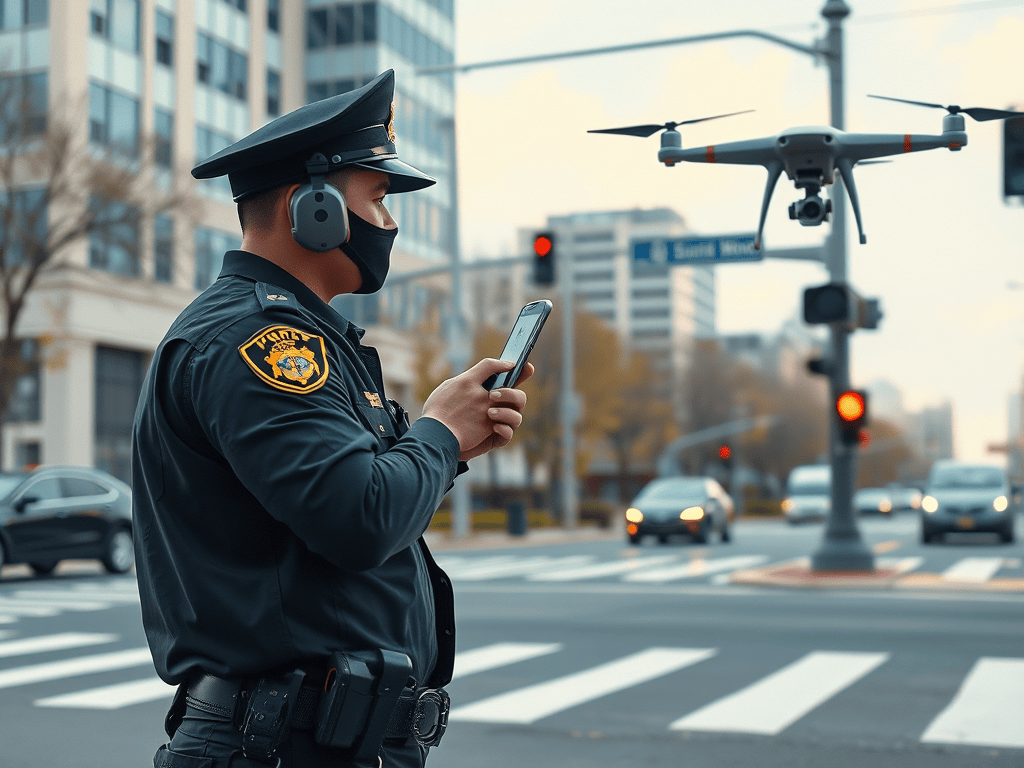
Police guns should be the exception, not the rule, because modern technology like drones and cameras can track suspects without high-risk chases or lethal force. Most officers could safely be unarmed, with only specialized, highly trained units carrying weapons in rare, extreme situations.

“Railing against Big Tech while tweeting from your iPhone is the height of irony. The fortunes of innovators aren’t accidents — they’re the result of voluntarily serving millions. If you think they’re too rich, stop buying what they sell.”

