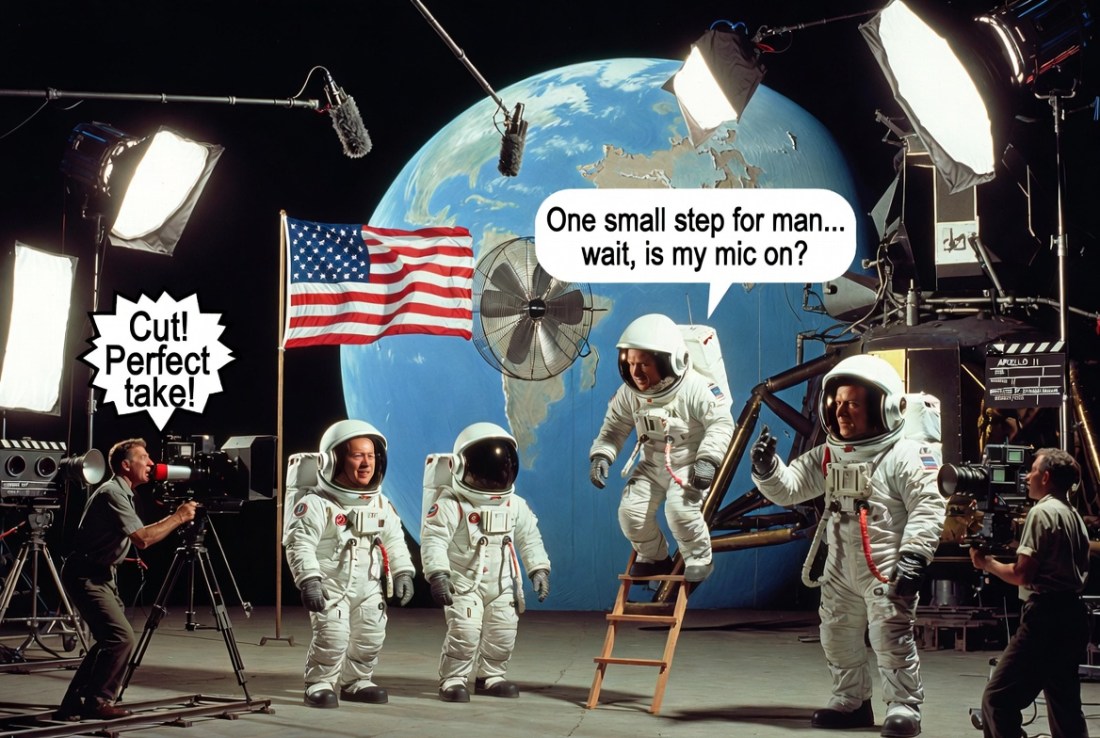
I've been questioning the Apollo narrative for over a decade. I'm done repeating myself. So I built an AI agent trained on my arguments. Tell it why you believe the narrative is true. I look forward to hearing how that goes.
Category: Miscellaneous
Random thoughts!
💚 Pelotonia – Year 15 💚
In my 15th year supporting Pelotonia's mission to end cancer, I've raised over $45,000 thanks to generous friends and family, without directly asking for donations. My goal for 2026 is $5,643 in memory of Chad. This cause has become more personal, highlighting the impact of cancer research on patients’ lives.
Marriage Advice: Three Dates Per Month
Discussing the importance of intentionally scheduling time with your spouse to strengthen your marriage, introducing the concept of Three Dates Per Month. By designating one breakfast, one lunch, and one dinner date each month, couples can ensure they prioritize their relationship amidst life's demands, fostering connection and anticipation.
Tesla Is Sitting on a Gold Mine It Has Not Noticed Yet
Tesla's Full Self-Driving version 14.3 introduces pothole avoidance and suggests a business opportunity to sell road condition data to municipalities. With significant data on road anomalies from its fleet, Tesla could streamline road repairs, helping cities efficiently allocate maintenance resources. This strategy not only benefits public infrastructure but also boosts Tesla's revenue potential.
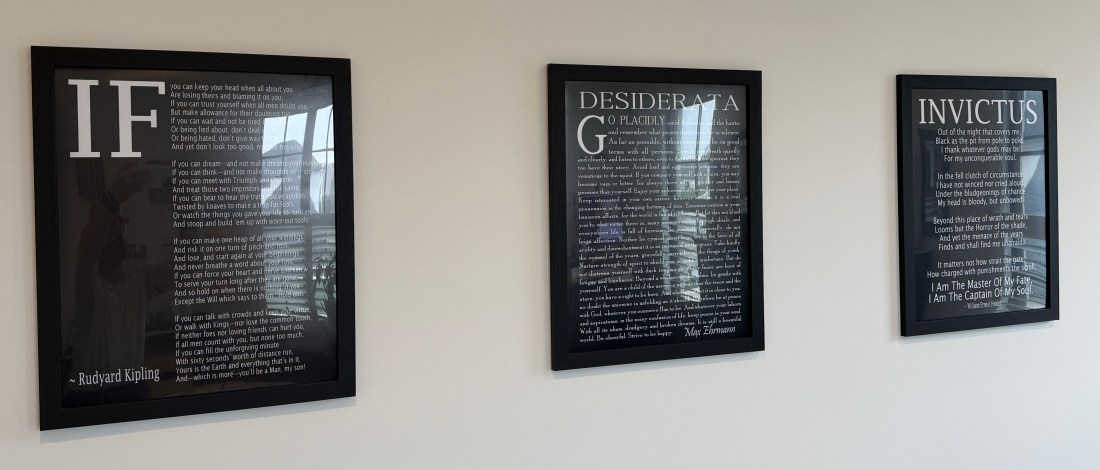
Three Poems That Keep Me Sane: What’s Hanging on My Office Wall (And Why) Part 1
Three poems hang on the wall of my office: If by Rudyard Kipling, Desiderata by Max Ehrmann, and Invictus by William Ernest Henley. I have read each of them hundreds of times and I will read each of them hundreds more. Below them on the couch sit my kids' Squishmallows, which somehow makes the whole thing better. This essay is about why these three poems are on my wall, what each one means to me, and why I think you should put them on yours too.
The Ten-Second Rule of Human Decency
During our first trip to Turks and Caicos, a friend shared a simple cultural insight that immediately changed how I interact with people everywhere. Islanders prefer that every interaction begin with a genuine greeting before making a request. Instead of walking up and asking for something immediately, you first acknowledge the person and ask how they are doing. This small habit transforms transactions into human interactions and reminds us that people are not service machines. Since learning this lesson, I’ve adopted it as a personal default, and the positive reactions it creates are remarkable.
The Chad Balance: Having No Opinion vs. Being The Adult In The Room
This essay introduces the idea of “The Chad Balance,” the delicate line between Stoic restraint and adult responsibility. Inspired by my late best friend Chad Lewis, it explores how wisdom often means having no opinion on most things, while still having the courage to speak clearly when truth, reason, or leadership is required. In a world that pressures everyone to comment on everything, the real challenge is knowing when silence is wisdom and when a grown-up needs to step forward and say the obvious thing others are afraid to say.
Do You Care About Truth… or Winning?
This essay argues that the pursuit of truth should be the foundation of all serious intellectual conversations, especially in the Information Age where facts can be verified instantly. It makes the case that debates should embrace AI as a real-time tool for fact-checking and clarification, shifting the goal away from winning arguments and toward discovering objective reality. Truth should not depend on wit, memory, or rhetorical skill, but on evidence, verification, and the willingness to update beliefs when confronted with new information.
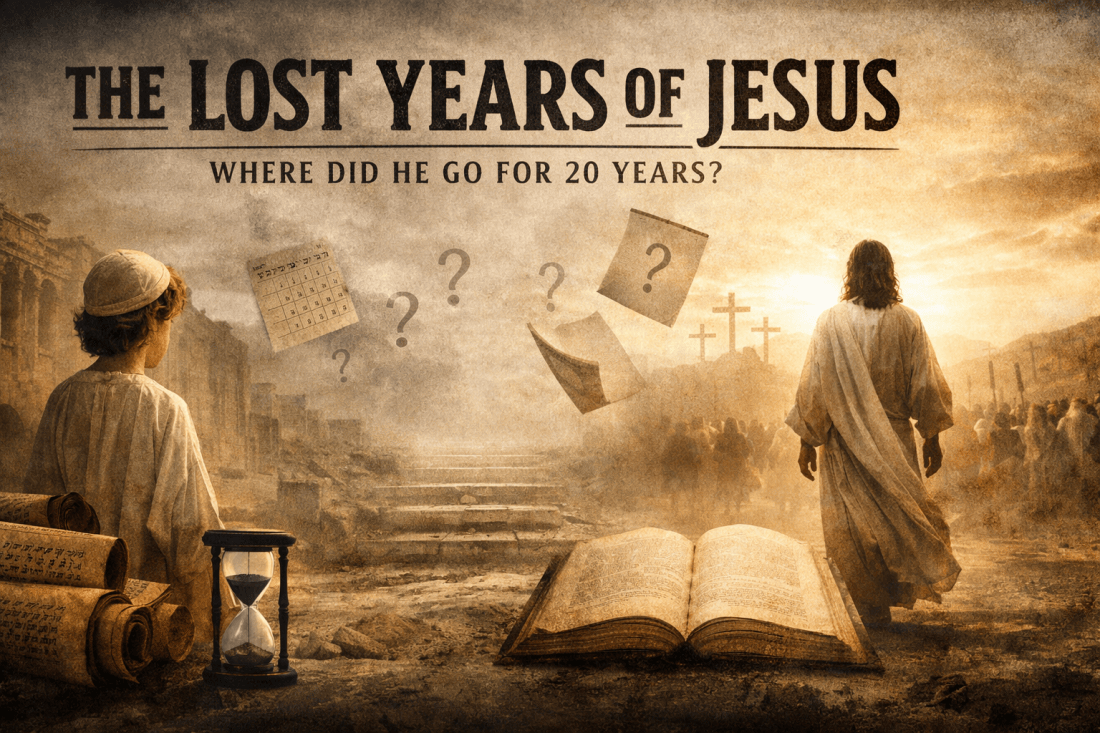
The Most Famous Man in History… and the 20-Year Disappearance No One Talks About
This essay explores the uncomfortable historical gap in the life of Jesus known as the “Lost Years,” the nearly two decades between childhood and the start of his ministry that lack any documented record. It questions why such a massive absence of evidence is rarely scrutinized despite Jesus being the most influential figure in history. The piece argues for applying the same intellectual standards to theology that we use everywhere else in life, and ultimately makes the case that morality does not require ancient authority, but can stand firmly on secular human values like empathy, compassion, and human flourishing.
Reacher Said Nothing
Inspired by Jack Reacher, this short essay reflects on one of the books’ most powerful recurring lines, “Reacher said nothing.” The silence is not weakness but disciplined strength. It reminds us that not every statement deserves a reply, not every provocation requires engagement, and sometimes being the adult in the room means choosing restraint. Silence, used wisely, is clarity, control, and quiet confidence.